Why Western Medicine Works: My Rehab Journey That Changed Everything
Recovering from injury isn’t just about time—it’s about the right approach. I once believed rest alone would heal me, but real progress came only when I embraced science-based rehabilitation. Through guided therapies, evidence-backed treatments, and medical supervision, I regained strength I thought was lost. This is not a miracle story, but a proven path. If you’re stuck in recovery, what I learned might be exactly what you need.
The Breaking Point: When Rest Wasn’t Enough
For months, I believed that if I just rested long enough, my body would heal on its own. After a fall during a weekend hike, I sustained a moderate knee injury—nothing that required surgery, but enough to limit my daily movement. At first, the pain seemed manageable. I avoided stairs, stopped walking long distances, and relied on over-the-counter pain relief. I told myself healing took time, and I was giving my body the chance it needed. But weeks turned into months, and instead of improving, I felt weaker. Simple tasks like standing from a chair or getting out of the car became painful. The frustration grew. I missed gardening, playing with my grandchildren, and even walking my dog. I began to worry that this was how life would be from now on—limited, cautious, and defined by discomfort.
The emotional toll was heavier than I expected. I felt isolated, as though my body had betrayed me. I compared myself to how I used to move—effortlessly, without thought—and mourned the loss of that ease. Fear crept in: what if I never fully recovered? What if this pain became permanent? I started avoiding social outings, not wanting to explain why I couldn’t keep up. My confidence in my own body eroded. I realized then that rest, while necessary in the early stages, wasn’t enough on its own. I had been passive in my recovery, waiting for healing to happen rather than actively supporting it. That realization was my breaking point—the moment I decided to seek a better way.
Discovering the Science Behind Rehabilitation
My journey toward real recovery began when I consulted a physical medicine specialist. For the first time, I learned that rehabilitation is not guesswork—it’s a structured, science-driven process. Western medicine approaches injury recovery with a clear framework: diagnose the problem, design a targeted treatment plan, and measure progress objectively. This was different from anything I had tried before. Instead of relying on general advice or anecdotal remedies, I was introduced to a system built on decades of medical research, clinical trials, and biomechanical understanding. I learned that tissues heal in predictable phases—acute inflammation, repair, and remodeling—and that each phase requires specific interventions to support optimal recovery.
One of the most empowering aspects was understanding the role of physical therapy. It’s not just about stretching or light exercise; it’s a discipline grounded in anatomy, physiology, and motor control. My physiotherapist explained how movement stimulates blood flow, reduces stiffness, and re-trains the nervous system to coordinate muscle activation properly. I was introduced to concepts like neuromuscular re-education—how the brain relearns to control muscles after injury—and functional training, which prepares the body for real-life activities like climbing stairs or lifting groceries. These weren’t abstract ideas; they were applied directly to my treatment. I also learned the importance of professional guidance. Doctors and licensed therapists don’t just treat symptoms—they identify root causes, prevent compensatory patterns, and adjust treatment as the body responds. This personalized, evidence-based approach felt like finally having a roadmap instead of wandering in the dark.
What Exactly Happens in Medical Rehab? (And Why It Matters)
Medical rehabilitation follows a clear, step-by-step process designed to maximize recovery while minimizing the risk of setbacks. The first phase is assessment—a thorough evaluation that includes medical history, physical examination, and often diagnostic imaging. This helps identify not only the injured structure but also any underlying weaknesses or movement imbalances that may have contributed to the injury. In my case, an MRI confirmed soft tissue damage, but the physical assessment revealed poor core stability and altered gait mechanics, which had placed extra strain on my knee. This holistic view is critical because treating only the site of pain often leads to recurring issues.
Once assessed, the next step is goal-setting. My therapist and I outlined specific, measurable objectives: reduce pain to minimal levels, restore full range of motion, improve balance, and return to walking without assistance within 12 weeks. These goals weren’t arbitrary—they were based on clinical benchmarks and recovery timelines supported by research. The treatment plan then followed the principle of progressive loading: gradually increasing the stress on tissues in a controlled way to stimulate healing without causing re-injury. This is rooted in the biological principle that tissues adapt to demand—just like muscles grow stronger with resistance, tendons and ligaments become more resilient when challenged appropriately.
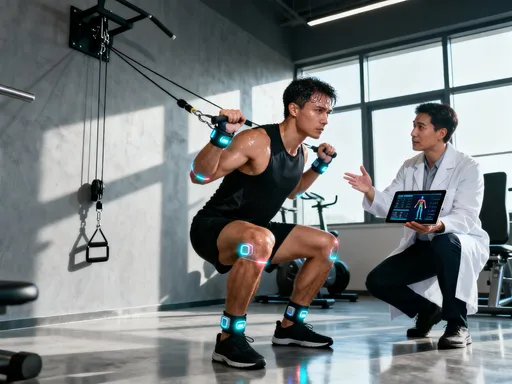
Monitoring progress was built into every session. My therapist used tools like goniometers to measure joint angles, manual muscle testing to assess strength, and functional tests like timed up-and-go assessments to track mobility. This data allowed for precise adjustments—no guesswork, no assumptions. I also learned that recovery isn’t always linear. Plateaus are normal, and temporary flare-ups can occur as the body adapts. But with consistent effort and professional oversight, improvement follows. The key is understanding that healing is a process, not an event, and that each small step contributes to long-term restoration.
My Treatment Plan: A Closer Look at the Methods That Helped
My rehabilitation program was tailored to my specific needs, combining several evidence-based techniques. It began with manual therapy—hands-on techniques like soft tissue mobilization and joint mobilization to reduce stiffness and improve circulation. These sessions were followed by targeted exercises designed to activate weak muscles and correct movement patterns. For example, I performed closed-chain exercises like mini-squats and step-ups, which engage multiple muscle groups while protecting the joint. My therapist emphasized proper form over intensity, ensuring I built strength safely. As my condition improved, resistance was gradually increased using bands, weights, and bodyweight progressions.
Gait analysis played a crucial role in my recovery. Using video recording and observational assessment, my therapist identified that I had developed an uneven walking pattern—favoring one leg to avoid pain. This imbalance, if left uncorrected, could have led to further injuries in my hip or lower back. We worked on retraining my步态 (gait) through drills like heel-to-toe walking, balance exercises on unstable surfaces, and treadmill training with real-time feedback. I also benefited from therapeutic modalities such as ultrasound imaging, which allowed us to visualize tendon healing and confirm that treatment was on track. While these tools don’t heal on their own, they provided valuable insights that guided our decisions.
One of the most impactful aspects was the use of data to adjust my program. Each week, we reviewed my pain levels, range of motion, and functional performance. If I showed signs of improvement, we advanced to the next phase. If I experienced discomfort, we scaled back and addressed the cause. This responsive, individualized approach ensured that I never overexerted myself, yet never stagnated. I wasn’t just going through motions—I was part of a dynamic process where every decision was informed by evidence and observation. This level of precision gave me confidence that I was healing the right way.
Why This Approach Stands Out: Comparing Science to Shortcuts
Throughout my recovery, I encountered many alternative options—devices that promised quick relief, supplements claiming to accelerate healing, and online programs offering miracle results. Some seemed tempting, especially during frustrating moments. But I learned that while these may offer temporary comfort, they rarely address the underlying problem. For example, I tried a popular knee brace that reduced pain during walking, but it didn’t improve my strength or movement quality. When I stopped using it, the discomfort returned. Similarly, certain supplements marketed for joint health lacked strong scientific backing. While some nutrients like omega-3 fatty acids have anti-inflammatory properties, no pill can replace the physiological adaptations gained through structured exercise.
The placebo effect is real—people often feel better when they believe a treatment works. But feeling better temporarily is not the same as healing. True recovery means restoring function, not masking symptoms. Evidence-based rehabilitation stands apart because it produces measurable, lasting changes. Studies show that patients who complete supervised physical therapy programs have significantly better outcomes than those who rely on passive treatments or self-management alone. They experience less pain, greater mobility, and lower risk of re-injury. The benefits extend beyond the physical: knowing that progress is real, not imagined, builds lasting confidence.
Western medicine’s strength lies in its reliance on research, peer-reviewed studies, and clinical guidelines. Treatments are tested for safety and effectiveness before being widely adopted. This doesn’t mean it’s perfect—every individual responds differently—but it means the foundation is trustworthy. Shortcuts may promise fast results, but they often lead to dependency, delayed healing, or even harm. In contrast, medically supervised rehab builds resilience from within, equipping the body to handle daily demands without external aids. It’s not flashy, but it’s reliable—and that’s what matters when your quality of life is at stake.
The Mental Shift: From Passive Patient to Active Participant
One of the most transformative parts of my journey was the shift in mindset. At first, I saw myself as a patient waiting to be fixed. I expected the therapist to “do” something that would make me better. But as I learned more about the science behind each exercise, I began to see myself as an active participant in my recovery. Understanding why I was doing a particular movement—how a glute bridge activated my hip stabilizers, or how a balance drill improved proprioception—made me more committed. I wasn’t just following instructions; I was building my body back with purpose.
Seeing measurable progress was incredibly motivating. When my therapist showed me that my knee flexion had improved from 90 to 120 degrees, or that I could stand on one leg for 30 seconds instead of 10, it wasn’t just data—it was proof that I was getting stronger. These small victories added up, replacing doubt with hope. I began to trust my body again. The fear of movement—kinesiophobia—that had held me back started to fade. I realized that movement wasn’t the enemy; it was the medicine. This mental shift was as important as the physical gains. It restored my sense of agency, reminding me that I had a role to play in my own healing.
Over time, I developed a new relationship with my body—one based on respect and collaboration rather than fear and frustration. I learned to listen to signals without overreacting, to push when appropriate, and to rest when needed. This balanced approach, guided by professional insight, helped me avoid setbacks and stay consistent. I also became more aware of my posture, daily habits, and activity levels—small changes that supported long-term health. The confidence I gained extended beyond physical recovery; it influenced how I approached challenges in other areas of life. Healing, I realized, wasn’t just about the knee—it was about reclaiming my independence and well-being.
Bringing It Home: How You Can Apply These Principles Safely
If you’re recovering from an injury, the most important step is recognizing when to seek professional help. Persistent pain, limited mobility, or difficulty performing everyday tasks are clear signs that rest alone may not be enough. Don’t wait months hoping it will resolve on its own. Early intervention often leads to faster, more complete recovery. When you do consult a healthcare provider, ask questions: What is the diagnosis? What is the expected timeline? What can I do to support healing? A good clinician will explain your condition in clear terms and involve you in the planning process.
It’s also essential to avoid self-diagnosis, especially based on internet searches or advice from friends. Every injury is unique, and what works for one person may not be safe or effective for another. For example, stretching a strained tendon too early can delay healing, while strengthening too aggressively can cause flare-ups. Individualized care is non-negotiable in rehabilitation. A licensed physical therapist can assess your specific needs, rule out serious conditions, and design a program that matches your abilities and goals. They can also teach you proper techniques, correct errors in real time, and adjust your plan as you progress—something no app or video can fully replicate.
While home exercises are often part of treatment, they should be done under professional guidance, at least initially. Many people unknowingly perform movements with poor form, which can reinforce bad habits or cause new injuries. Start with a few sessions in a clinical setting, then transition to home practice with clear instructions. Stay consistent, track your progress, and communicate any concerns to your provider. Remember, rehabilitation is not a one-size-fits-all process. It requires patience, effort, and trust in the process. But when done correctly, it offers the best chance for full recovery and long-term resilience.
True recovery isn’t about luck or shortcuts—it’s about applying scientific principles with patience and precision. My journey taught me that Western medicine, when used correctly, offers a clear, reliable path to regaining function and improving quality of life. While every body responds differently, the foundation remains the same: trust in evidence, commitment to process, and partnership with medical experts. For anyone struggling to heal, hope isn’t found in hype—it’s built step by step, through science.