What Changed My Energy Forever? This Simple Women’s Wellness Shift
For years, I felt constantly drained—like I was running on empty no matter how much I rested. It wasn’t until I reevaluated my daily habits that I noticed real shifts in my energy, mood, and overall well-being. This isn’t about extreme diets or intense workouts. It’s about small, science-backed lifestyle changes that actually work. If you’re a woman trying to feel more like *you*, these real-life adjustments might be exactly what you’ve been missing.
The Hidden Cost of Daily Routines
Many women go through their days unaware of how routine behaviors silently shape their health. The morning begins with a rush—skipping breakfast, gulping coffee on an empty stomach, checking emails before feet even touch the floor. These habits, repeated daily, may seem harmless, but over time they take a toll on hormonal balance, energy stability, and emotional resilience. The body responds to stress, poor nutrition, and irregular rhythms in subtle ways: increased fatigue, irritability, disrupted menstrual cycles, and difficulty concentrating. These are not signs of personal failure but signals that the body is out of alignment.
One of the most overlooked contributors to low energy is the way modern life disrupts natural biological rhythms. The human body operates on a circadian clock, finely tuned to light, food, and activity patterns. When breakfast is skipped, cortisol spikes without the buffer of food, placing added strain on the adrenal system. Late-night screen exposure delays melatonin release, making it harder to fall asleep. Even seemingly neutral habits—like eating dinner too late or relying on caffeine after 2 p.m.—can interfere with restorative sleep and next-day energy. These patterns accumulate, creating a cycle that’s hard to break without conscious intervention.
The key to change lies in awareness. Recognizing that small daily choices are not isolated events but interconnected parts of a larger system allows women to make informed decisions. For example, starting the day with a balanced meal instead of coffee alone can stabilize blood sugar and prevent the mid-morning crash. Choosing to step outside for natural light within the first hour of waking helps regulate the circadian rhythm. These adjustments don’t require drastic overhauls but do require intention. When women begin to see their routines as part of a wellness ecosystem, they gain the power to shift from reactive fatigue to proactive vitality.
Why Sleep Is Non-Negotiable for Women
Sleep is not a luxury—it’s a biological necessity, especially for women. During sleep, the body performs essential maintenance: repairing tissues, consolidating memories, balancing hormones, and regulating immune function. For women, quality sleep plays a critical role in managing estrogen and progesterone levels, both of which influence mood, energy, and reproductive health. Chronic sleep deprivation has been linked to increased risk of hormonal imbalances, weight gain, and emotional instability. Yet, many women sacrifice sleep to meet the demands of work, family, or personal time, not realizing the long-term cost to their well-being.
Women are biologically more susceptible to sleep disruptions than men. Hormonal fluctuations across the menstrual cycle, pregnancy, and perimenopause can affect sleep architecture. For instance, in the luteal phase of the cycle, rising progesterone can cause drowsiness but also lead to fragmented sleep. During perimenopause, declining estrogen levels contribute to night sweats and insomnia. These changes are normal, but they don’t have to mean poor sleep. The body can adapt when supported by consistent routines and a sleep-friendly environment.
Improving sleep quality begins with simple, evidence-based practices. Establishing a consistent bedtime and wake time—even on weekends—helps regulate the internal clock. Reducing exposure to blue light from screens at least one hour before bed supports melatonin production. Creating a wind-down ritual, such as reading a book, taking a warm bath, or practicing gentle stretching, signals to the body that it’s time to rest. Keeping the bedroom cool, dark, and quiet further enhances sleep conditions. These habits may seem minor, but their cumulative effect is significant. Women who prioritize sleep often report sharper focus, better mood regulation, and increased daytime energy within just a few weeks.
The Power of Hydration Beyond Thirst
Dehydration is one of the most common yet underrecognized causes of fatigue, especially among women. The body is approximately 60% water, and every system—from circulation to digestion to brain function—depends on adequate fluid levels. Even mild dehydration, as little as 1–2% loss of body water, can impair concentration, reduce physical performance, and trigger headaches or mood swings. Yet, many women wait until they feel thirsty to drink water, not realizing that thirst is already a sign of dehydration.
Women’s hydration needs vary based on age, activity level, climate, and hormonal phase. During menstruation, blood volume decreases slightly, increasing the need for fluids. In hot weather or during exercise, fluid loss through sweat must be replenished to maintain energy and prevent overheating. Additionally, caffeine and alcohol—common in many women’s routines—have diuretic effects that can further deplete hydration levels. Without conscious effort, it’s easy to fall short of optimal intake.
Meeting hydration goals doesn’t require rigid adherence to the “8 glasses a day” rule. A more personalized approach involves observing urine color (pale yellow indicates good hydration), drinking water consistently throughout the day, and increasing intake during high-demand periods. Starting the day with a glass of water helps rehydrate after overnight fasting. Adding a pinch of natural electrolytes, such as lemon juice or a small amount of sea salt, can enhance fluid absorption. Herbal teas and water-rich foods like cucumbers, watermelon, and oranges also contribute to daily fluid intake. By treating hydration as a continuous practice rather than a chore, women can support metabolism, maintain skin elasticity, and sustain mental clarity throughout the day.
Movement That Fits, Not Punishes
Exercise should energize, not exhaust. Yet, many women associate physical activity with intense workouts, strict schedules, or weight loss goals, leading to burnout or avoidance. The truth is, sustainable movement doesn’t require hours at the gym or punishing routines. Even 15 to 20 minutes of daily activity—such as walking, stretching, or light strength training—can have profound benefits for energy, mood, and long-term health. The goal is not intensity but consistency, allowing the body to adapt and thrive over time.
Physical activity improves circulation, delivering oxygen and nutrients to cells more efficiently. This enhances mental focus and reduces feelings of sluggishness. Movement also stimulates the release of endorphins, natural mood boosters that help combat stress and anxiety. For women experiencing hormonal fluctuations, regular activity can reduce bloating, improve sleep quality, and stabilize mood swings. Strength training, in particular, supports bone density and metabolic health, which become increasingly important with age.
The key to making movement sustainable is to choose activities that feel enjoyable and fit naturally into daily life. A morning walk around the neighborhood, a midday stretch break, or a short home-based routine can all count. The focus should be on how movement makes the body feel—stronger, looser, more alive—rather than on calories burned or appearance changes. Women who shift their mindset from punishment to nourishment often find that they look forward to moving, not dread it. Over time, this builds a positive feedback loop: more energy leads to more activity, which in turn leads to even greater vitality.
Eating for Energy, Not Perfection
Nutrition plays a central role in how women feel from day to day. Yet, many fall into the trap of restrictive diets or extreme eating patterns in pursuit of health or weight control. These approaches often backfire, leading to blood sugar crashes, increased cravings, and fatigue. The body thrives on balance, not deprivation. Eating for energy means prioritizing foods that stabilize blood sugar, support metabolism, and provide sustained fuel—without the need for perfection or elimination of entire food groups.
Skipping meals, especially breakfast, is a common habit that undermines energy levels. When the body goes too long without food, blood sugar drops, triggering fatigue, irritability, and difficulty concentrating. Over time, this pattern can disrupt insulin sensitivity and contribute to metabolic dysfunction. Similarly, relying heavily on processed carbohydrates—like white bread, pastries, or sugary snacks—leads to rapid spikes and crashes in energy. These foods are digested quickly, leaving the body without steady fuel.
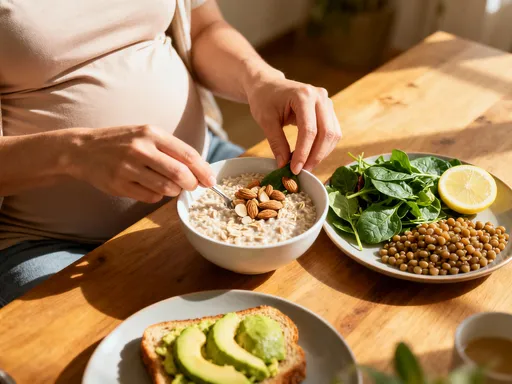
A more effective approach is to build meals around a combination of protein, fiber, and healthy fats. Protein slows digestion and helps maintain muscle mass. Fiber supports gut health and regulates blood sugar. Healthy fats, such as those found in avocados, nuts, and olive oil, provide long-lasting energy and support hormone production. Simple meal combinations—like Greek yogurt with berries and almonds, or a salad with grilled chicken and olive oil dressing—deliver balanced nutrition without complexity. Pairing carbohydrates with protein or fat, such as eating an apple with peanut butter, prevents rapid sugar spikes. These small, practical changes make a meaningful difference in how women feel throughout the day.
Stress Management That Actually Works
Chronic stress is a silent disruptor of women’s health. While some stress is inevitable, prolonged activation of the stress response—marked by elevated cortisol—can impair digestion, weaken immunity, and contribute to fatigue and anxiety. Women often carry multiple roles—professional, caregiver, homemaker—and may internalize pressure without realizing the physical cost. The body does not distinguish between emotional and physical stress; both trigger the same physiological responses. Learning to manage stress is not a luxury but a necessity for long-term well-being.
Effective stress management is not about eliminating stress entirely but about building resilience. Techniques such as box breathing—inhaling for four counts, holding for four, exhaling for four, and holding for four—help regulate the nervous system and reduce the fight-or-flight response. Practicing this for just a few minutes can calm the mind and lower heart rate. Another useful tool is scheduled worry time: setting aside 10–15 minutes each day to process concerns prevents rumination from taking over the entire day.
Digital detox breaks also play a crucial role. Constant notifications, emails, and social media exposure keep the brain in a state of hyperarousal. Taking intentional breaks—such as turning off devices during meals or setting a screen curfew—creates space for mental recovery. Other practices, like journaling, spending time in nature, or engaging in creative activities, provide outlets for emotional expression and relaxation. These strategies are not quick fixes but skills that improve with practice. Over time, women who incorporate stress management into their routines report greater emotional balance, improved sleep, and increased capacity to handle daily challenges.
Building a Routine That Sticks
Lasting change doesn’t come from dramatic transformations but from small, repeatable habits woven into daily life. The most successful wellness routines are not built on willpower alone but on design and consistency. Habit stacking—pairing a new behavior with an existing one—increases the likelihood of adherence. For example, drinking a glass of water immediately after brushing teeth creates a natural cue and makes the habit easier to remember. Similarly, doing a few stretches after waking up or taking a short walk after dinner links new actions to established routines.
Environment also plays a powerful role in habit formation. Keeping a water bottle on the desk encourages regular hydration. Placing walking shoes by the door makes it easier to step outside. Reducing friction for desired behaviors and increasing it for less helpful ones—such as moving the phone charger out of the bedroom to support better sleep—can significantly improve outcomes. These small design choices make healthy habits more accessible and automatic over time.
Equally important is self-compassion. Women often set high standards for themselves and feel discouraged when they miss a day or fall off track. But progress is not linear. The goal is not perfection but persistence. Treating setbacks as part of the process, rather than failures, fosters resilience and long-term success. When women approach wellness with kindness and patience, they are more likely to sustain changes that truly support their energy, mood, and overall health.
True well-being isn’t found in extreme measures but in daily choices that honor your body’s needs. These lifestyle habits aren’t magic—they’re foundations. When practiced consistently, they create a ripple effect, improving energy, clarity, and emotional balance. Every small step counts. And while individual needs vary, the science is clear: how you live each day shapes how you feel. This isn’t about being perfect. It’s about being intentional—and that makes all the difference.