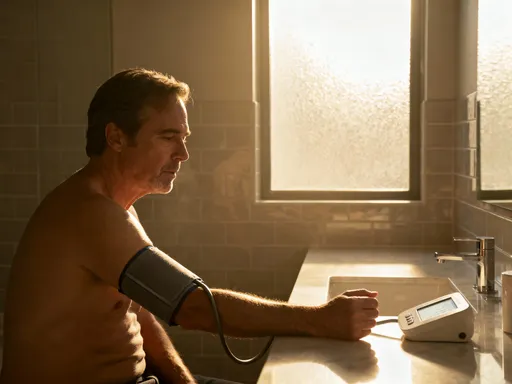
Why I Started Watching My Body During Daily Walks
What if something as simple as a 30-minute walk could reveal hidden clues about your health? I began paying attention to my heart rate, energy levels, and breathing during moderate exercise—and what I discovered changed how I see wellness. It’s not about intense workouts or fancy gadgets; it’s about listening to your body. This shift, backed by science, helped me catch small imbalances before they became problems. Health monitoring isn’t just for athletes—it’s for anyone who walks, climbs stairs, or moves through life. By tuning in to the quiet signals of fatigue, effort, and recovery, I learned that everyday movement can be one of the most powerful tools for long-term well-being. And the best part? You don’t need a gym membership, a personal trainer, or even a smartwatch to begin.
The Hidden Power of Moderate Exercise (What It Is)
Moderate exercise is often overlooked in favor of more dramatic fitness trends, yet it remains one of the most effective and accessible forms of physical activity. It includes routine actions such as brisk walking, light cycling, gardening, or even mopping the kitchen floor—activities that raise your heart rate enough to feel slightly warm and breathe a little harder, but still allow you to carry on a conversation comfortably. Unlike high-intensity interval training or marathon preparation, moderate exercise doesn’t require special equipment, recovery days, or extreme willpower. Its strength lies in sustainability. Because it fits easily into daily life, it’s more likely to be maintained over time, which is where real health benefits emerge.
Scientific research consistently supports the profound impact of moderate physical activity on long-term health. According to guidelines from the Centers for Disease Control and Prevention (CDC) and the World Health Organization (WHO), adults should aim for at least 150 minutes of moderate-intensity aerobic activity each week. This recommendation isn’t based on trends or opinions—it’s grounded in decades of epidemiological studies showing that consistent, moderate movement significantly reduces the risk of chronic diseases. For example, individuals who meet this threshold are up to 30% less likely to develop type 2 diabetes, have a 25% lower risk of coronary heart disease, and experience improved blood pressure regulation.
One reason moderate exercise is so effective is its ability to improve cardiovascular efficiency without placing excessive stress on the body. When you walk briskly, your heart pumps more efficiently, your lungs take in more oxygen, and your muscles become better at using glucose for energy. Over time, these small adaptations add up to meaningful changes in metabolic and circulatory health. Additionally, moderate activity supports weight management not through calorie burn alone, but by stabilizing appetite hormones and reducing visceral fat accumulation—factors that play a crucial role in preventing metabolic syndrome. The beauty of this approach is inclusivity: whether you’re 35 or 75, whether you’ve always been active or are just starting out, moderate exercise offers benefits without intimidation.
Why Monitoring Makes the Difference (The Science Behind Awareness)
Physical activity becomes truly transformative not just when you move, but when you pay attention to how your body responds. Exercise alone has benefits, but **awareness transforms it into insight**. Monitoring your body during movement turns a routine walk into a personal health check-up. This practice, known as interoception—the ability to sense internal bodily states—has been linked to better health outcomes in numerous studies. When you notice how your breath changes, how your heart rate rises and falls, or how your energy shifts throughout the day, you begin to build a detailed map of your own physiology.
Research published in the journal *Medicine & Science in Sports & Exercise* found that individuals who engaged in self-monitoring during physical activity were up to 35% more likely to stick with their routines over time. This isn’t because monitoring makes exercise easier—it’s because it creates a sense of agency and understanding. When you see tangible improvements, such as needing fewer breaths to climb a flight of stairs or feeling less fatigued after household chores, motivation grows naturally. These small victories reinforce the habit, making it more likely to endure.
Monitoring also helps identify early warning signs. A slight increase in resting heart rate over several days might indicate poor sleep, dehydration, or the onset of an illness. Similarly, unusual breathlessness during a familiar walk could signal low iron levels, stress accumulation, or reduced lung capacity. While these changes may seem minor, they are often the first indicators of imbalance. By catching them early, you can adjust your habits—drinking more water, resting longer, or seeking medical advice—before more serious issues arise. In this way, awareness acts as both a preventive tool and a feedback loop, guiding healthier choices in real time.
The science behind this process involves the autonomic nervous system, which regulates heart rate, breathing, and energy levels without conscious effort. Regular monitoring allows you to observe how lifestyle factors like sleep, diet, and emotional stress influence this system. For instance, chronic stress activates the sympathetic nervous system, leading to elevated heart rates and shallow breathing. Over time, this can contribute to hypertension and fatigue. But when you notice these patterns during your walks, you can introduce calming practices—like deep breathing or mindfulness—that help restore balance. Thus, monitoring doesn’t just reflect health; it empowers you to shape it.
What to Monitor (And What’s Worth Ignoring)
With so much health data available today—from fitness trackers to smartphone apps—it’s easy to become overwhelmed. The key to effective monitoring is focusing on **actionable signals** rather than getting lost in numbers that don’t matter. Not every metric provides useful information, and some can even lead to unnecessary anxiety. For example, obsessing over the exact number of calories burned during a walk may distract from the real benefits of improved mood, stamina, and circulation. Similarly, fixating on step counts can turn a joyful activity into a stressful performance task, defeating the purpose of movement for well-being.
Instead, prioritize a few core indicators that offer clear, meaningful feedback. Heart rate is one of the most reliable—particularly your resting heart rate and how quickly it returns to baseline after activity. A gradually decreasing resting heart rate over weeks or months typically indicates improved cardiovascular fitness. Perceived exertion, measured on a simple scale from 1 to 10, helps you gauge whether your effort level matches your goals. If a walk that used to feel like a 4 now feels like a 6, it may signal fatigue, dehydration, or illness. Breathing depth and rhythm are also valuable: labored or rapid breathing during light activity could point to poor sleep, stress, or respiratory changes.
Energy levels before, during, and after exercise provide another important clue. Do you feel invigorated after a walk, or drained? Does your afternoon energy dip become less severe over time? These subjective experiences are powerful markers of overall health. Mood changes are equally significant—many people report improved mental clarity and reduced anxiety after consistent moderate exercise, thanks to increased blood flow to the brain and the release of endorphins and other mood-regulating chemicals.
To avoid data overload, choose one or two signals to focus on initially. You don’t need a wearable device to begin; simply pause during or after your walk and ask yourself a few questions: How hard am I breathing? How does my heart feel? Do I feel stronger or more tired than usual? Writing down brief notes in a journal or voice memo can help track patterns over time. The goal isn’t precision, but awareness. Over months, you’ll start to recognize what’s normal for your body and what might need attention. This approach keeps monitoring simple, sustainable, and meaningful—without turning it into a chore.
Real-Life Signs Your Body Is Responding
After six weeks of walking with intention and awareness, I began to notice subtle but significant changes. My resting heart rate, which I checked each morning before getting out of bed, dropped from 72 beats per minute to 64. At first, I thought it might be a fluke, but the trend continued. I also found myself no longer needing to stop halfway up the stairs to catch my breath. My sleep deepened, and I woke up feeling more refreshed. These weren’t dramatic transformations, but they were real—and they aligned with what science tells us about the benefits of consistent, moderate movement.
Research confirms that even short-term engagement in regular walking can lead to measurable improvements in health. One study published in the *Journal of the American Heart Association* found that previously sedentary adults who walked briskly for 30 minutes five times a week experienced a 10% improvement in endothelial function—the ability of blood vessels to dilate and regulate blood flow—within just eight weeks. This change is critical because endothelial dysfunction is an early marker of cardiovascular disease. Similarly, other studies have shown that moderate exercise improves insulin sensitivity, helping the body manage blood sugar more effectively, even without weight loss.
Beyond the physical, many people report enhanced mental and emotional well-being. Improved focus, reduced brain fog, and greater emotional stability are common outcomes. This is due in part to increased cerebral blood flow and the regulation of neurotransmitters like serotonin and dopamine. Joint stiffness often decreases as movement lubricates the joints and strengthens surrounding muscles. Digestion may improve, thanks to enhanced circulation and reduced stress hormones. These benefits accumulate quietly, often going unnoticed at first, but they form the foundation of long-term vitality.
What makes these changes so powerful is their accessibility. You don’t need to run marathons or lift heavy weights to experience them. A daily 20- to 30-minute walk, done with attention, can trigger this cascade of positive effects. The key is consistency. It’s not about pushing harder, but about showing up regularly and tuning in. Over time, your body begins to heal in ways you may not have expected—repairing small imbalances, building resilience, and restoring function. These quiet victories are the true measure of wellness.
Building a Simple Monitoring Routine
Starting a monitoring practice doesn’t require complex tools or a steep learning curve. The most effective routines are simple, repeatable, and integrated into existing habits. Begin by choosing one signal to observe—your breath, heart rate, or energy level—and focus on it during and after your walks. For example, before you start walking, take a moment to notice how you feel. Are you energized? Tense? Tired? Midway through, check in: Is your breathing steady? Can you speak in full sentences? Afterward, reflect: Do you feel refreshed or drained? These brief moments of attention create a habit of awareness.
To make it stick, pair monitoring with habit stacking—linking it to something you already do every day. Check your pulse after brushing your teeth in the morning. Assess your energy level before lunch. Jot down a quick note in a notebook or use a voice memo on your phone to record observations. You don’t need to do this every day to see results; even tracking two or three times a week can reveal patterns over time. The goal is not perfection, but presence.
If you prefer a more structured approach, consider using a basic journal with columns for date, activity, heart rate (if measured), perceived exertion, and notes on mood or energy. Over weeks, you’ll begin to see trends—such as lower heart rates on days you sleep well, or increased fatigue during stressful periods. This kind of personal data is far more useful than generic fitness stats because it’s tailored to your unique body and lifestyle.
Remember, the purpose of monitoring is not to achieve a certain number or meet an external standard. It’s to build a deeper relationship with your body—to learn its rhythms, respect its limits, and celebrate its progress. You don’t need a smartphone, a subscription, or a high-tech watch to do this. All you need is curiosity and a few quiet moments each day. By making monitoring a natural part of your routine, you transform walking from a simple activity into a daily act of self-care.
When to Seek Professional Insight
Self-monitoring is a powerful tool, but it is not a substitute for professional medical care. Its true value lies in helping you recognize changes that may warrant further evaluation. If you notice persistent irregularities—such as a resting heart rate that remains unusually high for several days, unexplained dizziness during or after walks, chest discomfort, or extreme fatigue—you should consult a healthcare provider. These symptoms could indicate underlying conditions like arrhythmias, anemia, thyroid dysfunction, or cardiovascular issues that require clinical assessment.
Self-tracking empowers you to be an active participant in your health, but healthcare professionals are trained to interpret complex data and provide accurate diagnoses. For example, while a rising heart rate might suggest overtraining or stress, it could also signal an infection or hormonal imbalance. A doctor can order tests, review your medical history, and provide context that self-monitoring alone cannot. Early detection is valuable, but it works best when followed by expert evaluation and appropriate care.
It’s also important to avoid self-diagnosis based on isolated data points. A single high reading or a moment of breathlessness doesn’t necessarily mean something is wrong. Health is dynamic, and fluctuations are normal. The goal of monitoring is not to alarm yourself, but to understand your baseline and recognize meaningful deviations. When in doubt, seek guidance. A conversation with a trusted provider can bring clarity, reassurance, and a plan for next steps.
Think of monitoring as the first step in a larger health journey—one that includes both personal awareness and professional support. Together, they create a more complete picture of well-being. By staying alert to your body’s signals and knowing when to reach out for help, you take proactive control of your health in a balanced, informed way.
Making It a Lifelong Practice
Monitoring your body during daily walks is not a short-term fix or a trend to follow and abandon. It’s a mindset shift—a commitment to living with greater awareness and care. Over time, this practice fosters resilience, reduces health-related anxiety, and builds a deeper connection with your physical self. Instead of fearing aging or illness, you learn to trust your body’s ability to adapt, heal, and grow stronger when given the right conditions.
The science is clear: people who engage in regular, mindful movement live longer, healthier lives. They experience fewer chronic diseases, maintain independence longer, and report higher quality of life in later years. This isn’t due to extreme diets or intense training regimens, but to consistent, moderate habits done with attention. The daily walk becomes more than exercise—it becomes a ritual of listening, learning, and nurturing.
As the years pass, the benefits compound. Small improvements in heart health, lung function, and metabolic efficiency add up to significant protection against age-related decline. Emotional well-being improves as movement becomes a source of calm and clarity. The habit of paying attention extends beyond walks, influencing choices around sleep, nutrition, and stress management. You begin to treat your body not as a machine to be pushed, but as a partner to be understood.
Encourage yourself to view monitoring not as a task, but as a quiet, daily conversation with your body—one that pays off for decades. There will be days when you feel strong and days when you need rest, and both are part of the journey. By staying present, you honor your body’s wisdom and support its natural ability to thrive. In the end, wellness isn’t found in perfection, but in the simple, consistent act of showing up and paying attention.