My Quiet Win: How I Tamed My Blood Pressure Without Pills
High blood pressure creeps in silently, but its risks are loud—heart strain, fatigue, and long-term damage. I ignored it until a routine check shocked me. Since then, I’ve learned that managing it isn’t about quick fixes, but consistent, smart habits. This is how daily monitoring and small lifestyle shifts changed my health—naturally, safely, and sustainably—all while staying in tune with my body.
The Wake-Up Call: When Normal Felt Wrong
It was a typical Tuesday morning—nothing out of the ordinary. I walked into my doctor’s office for a routine physical, feeling perfectly fine. No chest pain, no headaches, no dizziness. I even joked about how I hadn’t been sick in years. But when the nurse called out the numbers—158 over 96—I froze. That wasn’t just high; it was solidly in the hypertension range. I had always assumed high blood pressure came with warning signs, but mine had arrived like a thief in the night, leaving no trace until it was nearly too late.
What surprised me most wasn’t the number itself, but how common this story is. According to the American Heart Association, nearly half of all adults in the United States live with high blood pressure, and many don’t even know it. That’s because hypertension is often symptomless—earning it the nickname “the silent killer.” The heart works harder than it should, day after day, while the arteries endure constant strain. Over time, this increases the risk of heart attack, stroke, and kidney damage. The real danger lies not in how it feels, but in what it does over time, quietly reshaping the body’s most vital systems.
That moment in the exam room changed everything. I went from seeing blood pressure as something abstract—something that happened to other people—to understanding it as a personal, measurable, and manageable reality. It wasn’t fate; it was feedback. And the most important step wasn’t medication, at least not yet. It was awareness. From that day forward, I committed to learning what my body was trying to tell me and responding with action, not fear.
Why Monitoring Matters More Than You Think
After my diagnosis, the first thing my doctor recommended was regular monitoring. At first, I thought it was overkill—after all, I felt fine. But I soon realized that tracking my blood pressure wasn’t about obsession; it was about insight. Consistent measurement reveals patterns that a single clinic reading can’t. For example, I discovered that my numbers were consistently higher in the evenings, especially after dinner. This led me to examine my daily habits more closely, and I began to notice connections I’d never seen before.
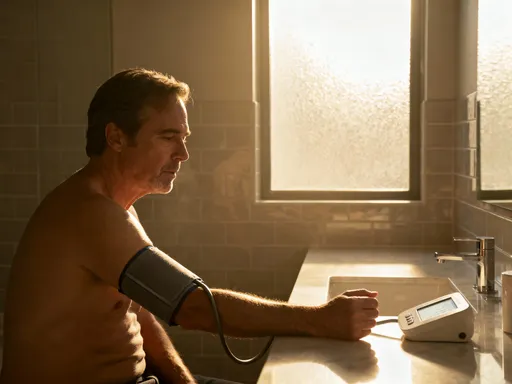
Home blood pressure monitors have become increasingly accurate and user-friendly. Most digital cuffs work by inflating around the upper arm and measuring the pressure at which blood starts and stops flowing through the brachial artery. When used correctly—seated, rested, with the cuff at heart level—they provide reliable readings that reflect real-time cardiovascular function. The key is consistency: taking measurements at the same times each day, under similar conditions, and recording them in a log or app.
Over time, this data became my most powerful tool. It helped me identify triggers—like a salty restaurant meal or a stressful work call—that caused temporary spikes. More importantly, it reduced my anxiety. Instead of wondering how I was doing, I had answers. I wasn’t guessing; I was knowing. And that shift—from uncertainty to understanding—gave me a sense of control that no pill could offer on its own.
Monitoring isn’t just for people who already have high blood pressure. It’s a form of preventive care. Just as we track our weight, sleep, or steps, blood pressure is another vital sign that reflects our overall health. For women over 30, especially those managing family, careers, and aging parents, it’s easy to put personal health on the back burner. But a few minutes a day with a blood pressure cuff can catch problems early, before they become emergencies. Prevention isn’t dramatic, but it’s deeply powerful.
The Morning Ritual That Sets the Tone
I now start every day with a quiet ritual. Before I check my phone, before I make coffee, I sit in a comfortable chair, rest for five minutes, and take my blood pressure. This simple act has become my anchor—a moment of stillness that grounds me before the day begins. It’s not just about the number on the screen; it’s about tuning in. How does my body feel? Am I tense? Did I sleep well? These small observations add up to a deeper awareness of my health.
Right after measuring, I drink a full glass of water. Overnight, the body becomes slightly dehydrated, which can affect blood viscosity and pressure. Hydration helps maintain smooth blood flow and supports kidney function, both of which are essential for healthy circulation. Then, I spend five minutes practicing mindful breathing—inhaling slowly through the nose for a count of four, holding for four, exhaling for six. This isn’t meditation in the traditional sense; it’s nervous system regulation.
Here’s why it works: slow, deep breathing activates the parasympathetic nervous system, which counteracts the body’s stress response. It lowers cortisol, reduces heart rate, and relaxes blood vessels. Studies have shown that just a few minutes of controlled breathing can lead to measurable reductions in systolic blood pressure. Over time, this practice helps retrain the body to stay calmer, even in stressful situations.
Consistency is key. I keep my monitor on a small table by my favorite chair, along with a notebook to record the numbers. I aim to measure at the same time every morning, usually between 7 and 8 a.m., before eating or drinking anything other than water. This creates a reliable baseline. If I’m ever unsure about a reading, I take a second measurement after five minutes of rest. Over months, this routine has become second nature—like brushing my teeth or making the bed. And the benefits extend far beyond the numbers: I feel more centered, more present, and more in control of my day.
Food Swaps That Actually Work (No Deprivation)
One of the biggest myths about managing blood pressure is that it requires drastic dieting or giving up all favorite foods. The truth is, sustainable change comes not from restriction, but from smart swaps. I didn’t eliminate salt overnight or ban processed foods completely. Instead, I made gradual, realistic changes that added up over time. The goal wasn’t perfection; it was progress.
Sodium is one of the most well-documented contributors to high blood pressure. When we consume too much salt, our bodies retain fluid to balance it out. This increases the volume of blood circulating through the vessels, which in turn raises pressure against the artery walls. The average American consumes over 3,400 milligrams of sodium per day—far above the recommended limit of 2,300 mg, and even further from the ideal 1,500 mg for those with hypertension.
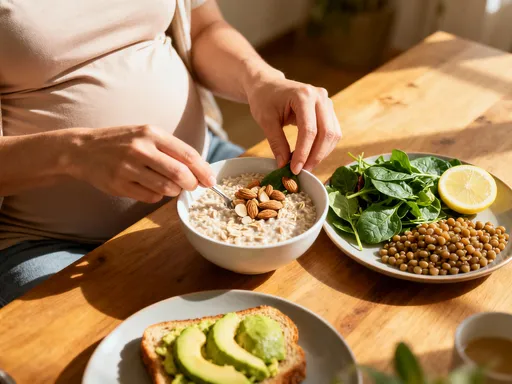
Instead of focusing on what to cut out, I focused on what to add in. I started packing my meals with potassium-rich foods like bananas, sweet potatoes, spinach, and avocados. Potassium helps the body excrete excess sodium and eases tension in the blood vessel walls. The balance between sodium and potassium is crucial—think of them as two sides of a seesaw. When one goes up, the other should too.
I also changed my snack habits. Instead of reaching for chips or pretzels, I now keep sliced apples with almond butter, carrot sticks with hummus, or a small handful of unsalted nuts. These options are satisfying, flavorful, and support heart health. When I cook, I use herbs, spices, lemon juice, and vinegar to add taste without salt. A sprinkle of garlic powder, a dash of smoked paprika, or fresh basil can transform a dish without spiking the sodium.
Another helpful strategy was reading labels. Many packaged foods—like bread, canned soups, and frozen meals—contain hidden sodium. By comparing labels and choosing lower-sodium versions, I reduced my intake without changing my routine. Over time, my taste buds adjusted. Foods that once seemed perfectly seasoned now taste overly salty. This shift didn’t happen overnight, but it was real—and it made healthier choices feel natural, not forced.
Movement as Medicine: Finding Your Natural Rhythm
Exercise used to feel like a chore—something I should do, but never enjoyed. I tried intense workouts, only to burn out within weeks. What changed was shifting my mindset: instead of seeing movement as punishment for eating or a path to weight loss, I began to see it as medicine for my heart. And the best part? It doesn’t require a gym, special equipment, or hours of time.
Regular, moderate physical activity strengthens the heart muscle, making it more efficient at pumping blood. This means the heart doesn’t have to work as hard, which lowers pressure on the arteries. Over time, exercise also improves the flexibility of blood vessels, allowing them to expand and contract more easily. This adaptability is essential for maintaining healthy circulation, especially as we age.
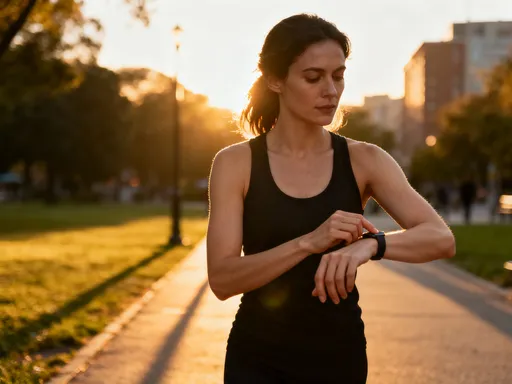
I found that brisk walking became my go-to. Thirty minutes a day, five days a week, was enough to make a difference. Sometimes I walked around the neighborhood, sometimes on a treadmill while listening to a podcast. The key was consistency, not intensity. Cycling, swimming, dancing in the living room—any activity that raises the heart rate slightly and can be sustained for 20 to 30 minutes counts.
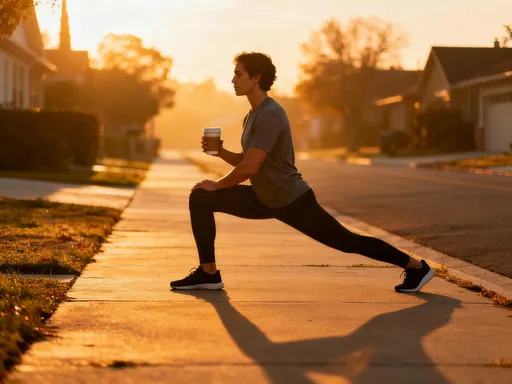
I also integrated more movement into daily life. I take the stairs instead of the elevator, park farther from store entrances, and do light stretching while watching TV. These small efforts add up. Research shows that even short bursts of activity—like 10-minute walks after meals—can help lower blood pressure. The goal isn’t to become an athlete; it’s to keep the body moving in ways that feel good and fit into real life.
Stress—The Hidden Blood Pressure Trigger
If sodium and inactivity are the well-known contributors to high blood pressure, stress is the silent accomplice. Chronic stress keeps the body in a constant state of alert, releasing hormones like cortisol and adrenaline that constrict blood vessels and raise heart rate. Over time, this background tension takes a toll. I didn’t realize how much stress was affecting me until I started monitoring my blood pressure and noticed consistent spikes on busy, overwhelming days.
Managing stress isn’t about eliminating it—life will always have demands. It’s about building resilience. One of the most effective tools I’ve found is digital detox. I now set boundaries with my phone, especially in the evenings. No emails after 8 p.m., no scrolling in bed. This simple change improved my sleep and gave me space to unwind. I also started journaling—just five minutes a day to write down thoughts, worries, or things I’m grateful for. Putting feelings on paper helps me process them, rather than letting them build up.
Another powerful practice has been learning to say no. As a mother and professional, I used to say yes to everything—school events, work projects, social obligations. But overcommitment led to exhaustion, and exhaustion showed up in my blood pressure readings. Now, I pause before agreeing to anything new. I ask myself: Does this align with my priorities? Do I have the energy? Protecting my time has become an act of self-care.
Emotional regulation is part of health monitoring. When I feel tense, I notice it—and I respond. I might step outside for fresh air, do a few minutes of deep breathing, or call a trusted friend. These aren’t grand gestures, but they shift my physiology. Calm thoughts lead to calm blood vessels. Over time, this awareness has helped me create a life that supports, rather than strains, my health.
Teamwork with Your Doctor: Data, Not Guesses
Throughout this journey, one thing has remained constant: my partnership with my doctor. Self-monitoring is powerful, but it’s not a replacement for professional care. What it does is transform the doctor-patient relationship from one of guesswork to one of collaboration. When I bring my blood pressure log to appointments, we have real data to discuss—not just a single reading taken under clinical conditions, which can be influenced by anxiety or timing.
My doctor uses this information to assess trends, evaluate the effectiveness of lifestyle changes, and determine whether medication might be needed. So far, we’ve been able to avoid prescriptions, but I know they’re an option if necessary. The important thing is making informed decisions together. My doctor has also helped me interpret my readings, identify outliers, and set realistic goals. For example, we agreed that a target of 130/80 mm Hg or lower would be ideal for me, based on my age and overall health.
Regular check-ups also ensure that other aspects of my health are monitored—cholesterol, kidney function, blood sugar—all of which can influence blood pressure. This holistic approach gives me confidence that I’m not missing anything. I’ve also learned to ask questions: What do these numbers mean? Are there other factors I should consider? What signs should I watch for? Being an active participant in my care has made me feel empowered, not anxious.
And I’m not alone in this. Nurses, pharmacists, and even support groups have offered guidance and encouragement. Health isn’t a solo journey. It’s a team effort, built on trust, communication, and shared responsibility.
Long-Term Wins: Stability, Energy, and Peace of Mind
It’s been over two years since that first alarming reading. Today, my average blood pressure is 122 over 78—a steady, healthy range. But the benefits go beyond the numbers. I sleep better. I have more energy throughout the day. I feel calmer, more focused, and more in tune with my body. What once felt like a health crisis has become a quiet victory—a daily practice of listening, responding, and caring for myself in sustainable ways.
Managing blood pressure without medication isn’t about willpower or extreme measures. It’s about small, consistent choices that add up over time. It’s choosing water over soda, a walk over scrolling, a deep breath over a reactive response. These actions aren’t restrictions; they’re acts of self-respect. They reflect a commitment to living well, not just living longer.
The journey isn’t perfect. There are days when I eat something salty, skip a walk, or feel overwhelmed. But now I have tools to respond. I check my blood pressure, reflect on my habits, and make adjustments. I’ve learned that health isn’t a destination; it’s a rhythm—a daily practice of balance and awareness.
If you’re reading this and wondering where to start, begin with one thing. Pick up a home monitor. Try a morning breathing practice. Swap one processed snack for a whole food. Small steps lead to real change. You don’t have to do everything at once. You just have to begin. And with each choice, you’re not just lowering a number—you’re building a life of greater energy, clarity, and peace. That’s a win worth celebrating, quietly and fully.