What I Learned About Eating Right While Pregnant – No Gimmicks, Just Real Food Combos
Pregnancy changed the way I think about food. It wasn’t just about eating more—it was about eating *better*, especially when it came to combining nutrients wisely. I used to pair carbs with sugar-heavy snacks, only to crash an hour later. But after learning how certain foods work together to stabilize blood sugar, boost energy, and support baby’s development, my meals completely transformed. This is not a diet plan, but a real look at how smart dietary combinations made a noticeable difference—backed by science, tested through experience.
The Hidden Problem: Why What You Eat Together Matters More Than You Think
During pregnancy, the body undergoes profound metabolic changes to support the growing baby, and one of the most overlooked aspects of nutrition is how foods interact when eaten together. It's not only about choosing healthy ingredients—it's about how those ingredients function in combination. For example, eating iron-rich spinach alone may provide limited benefits if not paired with a source of vitamin C, which enhances iron absorption. Similarly, consuming carbohydrates without fiber or protein can lead to rapid spikes and crashes in blood sugar, affecting both maternal energy and fetal development. These interactions are not minor details—they are central to how nutrients are absorbed, used, and stored in the body.
Many pregnant women fall into common dietary traps, often without realizing it. A typical breakfast of toast with jam, for instance, delivers a quick burst of energy followed by fatigue and hunger within an hour. This happens because refined carbohydrates break down rapidly into glucose, especially when eaten in isolation. Another frequent mistake is consuming calcium-rich foods like yogurt at the same time as iron-rich meals, which can interfere with iron absorption due to mineral competition. These seemingly small choices add up over time, influencing everything from energy levels to nutrient status. The solution isn’t to eliminate any food group but to understand timing and synergy.
Counting calories alone offers an incomplete picture of nutritional quality. A 300-calorie snack of pretzels and soda affects the body very differently than a 300-calorie combination of hummus, vegetables, and a slice of whole-grain pita. The latter includes fiber, protein, and healthy fats that slow digestion and provide sustained energy. This concept—called nutrient timing or food synergy—is increasingly supported by research showing that the overall dietary pattern, especially food pairings, plays a critical role in maternal and fetal health. By shifting focus from isolated nutrients to how foods work together, pregnant women can make more effective, lasting improvements in their daily eating habits.
Blood Sugar Balance: Keeping Energy Steady for You and Your Baby
Stable blood sugar is essential during pregnancy, not only for maintaining energy but also for supporting healthy fetal growth. When glucose levels spike and drop rapidly, it can lead to fatigue, mood swings, and increased cravings—challenges many pregnant women face daily. More importantly, prolonged blood sugar instability has been linked to higher risks of gestational diabetes, excessive fetal weight gain, and complications during delivery. The good news is that simple food combinations can help regulate glucose response, even without strict dietary restrictions or medical intervention.
Fiber, healthy fats, and protein are nature’s most effective tools for slowing the absorption of sugar into the bloodstream. Fiber, especially soluble fiber found in oats, beans, and apples, forms a gel-like substance in the gut that delays carbohydrate digestion. Healthy fats such as those in avocado, nuts, and olive oil further slow gastric emptying, preventing rapid glucose release. Protein, from sources like eggs, Greek yogurt, or lean meat, also contributes to satiety and stabilizes insulin response. When these three components are combined with carbohydrates, the result is a gradual rise in blood sugar and a steady supply of energy over several hours.
A real-life example is the difference between eating plain oatmeal and oatmeal topped with almond butter and sliced banana. While both meals contain carbohydrates, the latter includes healthy fat from almond butter and natural sugars balanced with fiber from the banana. This combination not only prevents an energy crash but also supports brain development in the fetus by providing consistent fuel. Similarly, pairing an apple with a handful of walnuts instead of eating the fruit alone transforms a high-glycemic snack into a balanced, satisfying option. These small changes don’t require special ingredients or extra time—they simply involve mindful pairing.
For women experiencing morning nausea, maintaining stable blood sugar can also reduce the frequency and intensity of symptoms. Eating a small snack before getting out of bed—such as a few whole-grain crackers with cheese—can prevent the dizziness and weakness associated with low blood sugar after fasting overnight. Over time, consistent blood sugar management contributes to better sleep, improved digestion, and more predictable energy levels throughout the day. It’s not about perfection but about creating a foundation of balanced eating that supports both mother and baby.
Iron and Vitamin C: A Powerful Duo That Actually Works
Iron deficiency is one of the most common nutritional concerns during pregnancy, affecting up to 50% of expectant mothers worldwide, according to the World Health Organization. Iron is essential for producing hemoglobin, the protein in red blood cells that carries oxygen to tissues. During pregnancy, blood volume increases by nearly 50%, significantly raising the demand for iron. Without adequate intake, women may experience fatigue, weakness, and a higher risk of preterm delivery or low birth weight. While prenatal supplements often include iron, food-based sources—especially when paired correctly—can enhance absorption and reduce side effects like constipation.
One of the most effective ways to improve iron absorption is by combining iron-rich foods with those high in vitamin C. This is particularly important for non-heme iron, the type found in plant-based foods like lentils, beans, tofu, and spinach, which is less readily absorbed than heme iron from animal sources. Vitamin C converts non-heme iron into a more absorbable form by reducing it in the digestive tract. Studies show that consuming just 100 milligrams of vitamin C—equivalent to one medium orange—can increase iron absorption by up to three times. This simple synergy can make a meaningful difference in maintaining healthy iron levels without relying solely on supplements.
Practical meal combinations are easy to incorporate into daily eating. For example, adding diced red bell peppers—a rich source of vitamin C—to a lentil stew enhances the nutritional value of the dish. A spinach salad dressed with lemon juice or a squeeze of fresh orange not only adds flavor but also boosts iron uptake. Even a simple snack of iron-fortified cereal with sliced strawberries can be more effective than the same cereal with milk, which contains calcium that may inhibit iron absorption. Timing matters too: it’s best to consume vitamin C-rich foods at the same meal as iron sources, rather than hours apart.
It’s also important to avoid habits that interfere with iron absorption. Drinking tea or coffee with meals, for instance, can reduce iron uptake due to tannins and polyphenols. Similarly, taking calcium supplements or eating high-calcium foods at the same time as iron-rich meals may limit absorption. Spacing these nutrients by a few hours can help maximize benefits. By understanding these interactions, pregnant women can make informed choices that support their body’s increased needs. The goal isn’t to follow a rigid set of rules but to build habits that enhance nutrient availability naturally.
Calcium and Vitamin D: More Than Just Strong Bones
Calcium and vitamin D are often highlighted for their role in building strong bones, but their importance during pregnancy extends far beyond skeletal health. Calcium is critical for the development of the baby’s bones, teeth, heart, muscles, and nervous system. If the mother’s intake is insufficient, the baby will draw calcium from her bones, potentially increasing her risk of long-term bone loss. Vitamin D, though needed in smaller amounts, plays a vital role in calcium absorption and immune function. Without enough vitamin D, only 10–15% of dietary calcium is absorbed, compared to 30–40% with adequate levels.
Many pregnant women struggle to meet their daily calcium and vitamin D needs. The recommended intake for calcium is 1,000 milligrams per day, which can be achieved through a combination of dairy, fortified plant milks, leafy greens, and certain fish like canned salmon with bones. Vitamin D, however, is more challenging to obtain from food alone. Few natural sources exist—fatty fish, egg yolks, and fortified products are the main options. This is where lifestyle factors come into play. Exposure to sunlight triggers vitamin D synthesis in the skin, making regular, moderate sun exposure a valuable complement to dietary intake. Just 10–15 minutes of midday sun on the arms and face, several times a week, can support healthy vitamin D levels, especially in regions with ample sunlight.
Food pairings can further enhance this nutrient synergy. Drinking fortified almond or oat milk with breakfast not only provides calcium but often includes added vitamin D, improving absorption. Including a small serving of fatty fish like salmon in a weekly meal plan supports both nutrients simultaneously. For women with limited sun exposure or darker skin tones, which reduce vitamin D synthesis, healthcare providers may recommend supplements after testing blood levels. This personalized approach ensures safety and effectiveness.
Beyond bone development, emerging research suggests that adequate vitamin D during pregnancy may support healthy immune regulation and reduce the risk of conditions like preeclampsia and gestational diabetes. Calcium also helps regulate muscle contractions, including those of the uterus, and supports proper nerve signaling. These functions underscore the importance of viewing nutrients not in isolation but as part of an interconnected system. By combining fortified foods with sensible sun exposure and, when necessary, medical guidance, pregnant women can build a strong foundation for both their own health and their baby’s development.
Healthy Fats + Fat-Soluble Vitamins: Unlocking Full Nutrient Potential
Healthy fats are essential during pregnancy, not only for energy but also for enabling the absorption of fat-soluble vitamins—A, D, E, and K. These vitamins dissolve in fat and require dietary fat to be properly absorbed in the intestines. Without sufficient fat in a meal, even vitamin-rich foods may provide limited benefits. For example, eating a salad of carrots and spinach without oil means the body absorbs only a fraction of the vitamin A and K present. Adding a dressing made with olive oil or including avocado in the meal dramatically increases nutrient uptake.
Vitamin A is crucial for fetal eye development and immune function, while vitamin E acts as an antioxidant, protecting cells from damage. Vitamin K supports blood clotting and bone metabolism, and as mentioned earlier, vitamin D aids calcium absorption. All four are vital, yet their benefits depend on the presence of fat in the diet. This is why extremely low-fat diets during pregnancy can be counterproductive, even if they include nutrient-dense foods. The key is choosing the right kinds of fat—primarily unsaturated fats from plant oils, nuts, seeds, and fatty fish—while limiting saturated fats and avoiding trans fats entirely.
Practical ways to include healthy fats are simple and delicious. Adding a quarter of an avocado to a salad not only improves vitamin absorption but also adds creaminess and satiety. Drizzling olive oil over roasted vegetables enhances both flavor and nutrient availability. Snacking on a small handful of almonds or walnuts provides vitamin E and omega-3 fatty acids, which support brain development. Even blending a teaspoon of flaxseed into a smoothie contributes both fiber and essential fats. These habits don’t require major changes—just a shift in how meals are composed.
One common misconception is that eating fat leads to excessive weight gain. In reality, healthy fats promote fullness and help regulate appetite, reducing the likelihood of overeating later. They also support hormone production and cell membrane integrity, both of which are critical during pregnancy. By embracing fats as a necessary and beneficial part of the diet, women can ensure their bodies are equipped to make the most of every nutrient they consume. The goal is balance, not elimination.
Protein Pairings That Support Growth Without Overloading the Body
Protein is fundamental to pregnancy, providing the amino acids needed to build the placenta, expand maternal tissues, and support rapid fetal growth. The recommended intake increases to about 71 grams per day, up from 46 grams for non-pregnant women. However, not all proteins are created equal. Animal proteins like eggs, dairy, poultry, and fish contain all nine essential amino acids and are considered “complete.” Most plant proteins, such as beans, lentils, and grains, are “incomplete,” meaning they lack one or more essential amino acids. By combining different plant sources—or pairing plant and animal proteins—women can achieve a complete amino acid profile without overconsuming any single food group.
Effective protein pairings are both practical and nutritious. For example, eating beans with rice provides all essential amino acids, as the amino acid profile of one complements the other. Similarly, adding chia seeds or hemp seeds to Greek yogurt combines plant and animal protein for a complete, balanced snack. Eggs served with whole-grain toast offer high-quality protein along with fiber and B vitamins. These combinations support steady tissue growth while being gentle on digestion, which is important as many women experience slowed gastric motility during pregnancy.
Another benefit of balanced protein intake is its role in blood sugar regulation and satiety. Unlike carbohydrates alone, protein-rich meals help maintain fullness for longer, reducing the urge to snack on less nutritious options. This is particularly helpful for women managing nausea or food aversions, as small, frequent meals with adequate protein can stabilize energy and reduce discomfort. Including a source of protein in every meal and snack—such as nut butter on apple slices or cottage cheese with berries—creates a consistent supply of amino acids for fetal development.
It’s also important to consider the source and preparation of protein. Grilled, baked, or steamed options are preferable to fried or highly processed meats, which may contain added sodium, preservatives, or unhealthy fats. Choosing organic or grass-fed animal products, when available and affordable, can reduce exposure to hormones and antibiotics. For plant-based eaters, soaking and cooking legumes properly improves digestibility and nutrient availability. With thoughtful planning, protein needs can be met in a variety of ways that align with personal preferences and health goals.
Putting It All Together: Building Daily Meals That Work
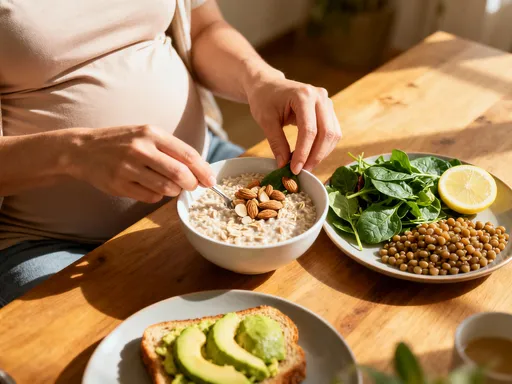
Applying these principles doesn’t require complicated recipes or expensive ingredients. A sample day of eating might begin with a breakfast of scrambled eggs with sautéed spinach and tomatoes, served with whole-grain toast and a slice of avocado. This meal combines protein, iron, vitamin C, healthy fats, and fiber—covering multiple nutrient synergies in one dish. For a mid-morning snack, Greek yogurt with chia seeds and blueberries offers protein, calcium, omega-3s, and antioxidants.
Lunch could include a quinoa and black bean bowl with roasted sweet potatoes, bell peppers, and a lime-cilantro dressing. This provides complete plant protein, fiber, iron, vitamin C, and complex carbohydrates for sustained energy. A handful of almonds on the side adds healthy fats and vitamin E. Dinner might feature baked salmon with a side of steamed broccoli and brown rice, drizzled with olive oil. This combination delivers omega-3 fatty acids, vitamin D, calcium, and fat-soluble vitamins, all supported by healthy fat for optimal absorption.
Throughout the day, staying hydrated with water, herbal teas, and occasional fortified plant milk supports digestion and nutrient transport. The key is consistency, not perfection. Some days may include simpler meals or convenience foods, and that’s okay. The goal is to build a flexible framework that prioritizes nutrient-dense combinations without causing stress. Listening to hunger cues, honoring cravings in moderation, and adjusting based on energy levels are all part of a sustainable approach.
It’s also essential to consult with a healthcare provider or registered dietitian, especially for women with medical conditions like gestational diabetes, food allergies, or digestive disorders. Personalized guidance ensures that dietary choices support both maternal health and fetal development. Supplements may be necessary in some cases, but they should complement—not replace—a balanced diet. By focusing on real food combinations, women can nourish themselves and their babies in a way that is both effective and enjoyable.
In the end, eating well during pregnancy isn’t about following a strict regimen or achieving flawless nutrition. It’s about making small, informed choices that add up over time. Each meal is an opportunity to support growth, energy, and long-term health. By understanding how nutrients work together, women can move beyond confusion and fear, embracing a way of eating that is both science-backed and deeply personal. The journey of pregnancy is transformative—and so, too, can be the way we choose to fuel it.