Hair Care Mistakes You’re Making Every Day Without Realizing
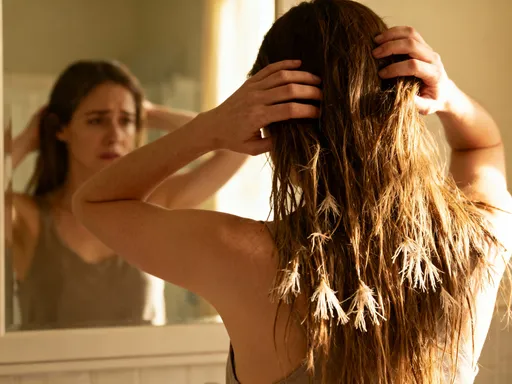
We all want healthy, shiny hair, but many of us unknowingly harm it through everyday habits. From how we wash to the tools we use, small lifestyle choices can have a big impact. I’ve been there—frustrated with breakage, dullness, and slow growth—until I discovered the real culprits. It wasn’t my shampoo; it was my routine. This article breaks down the most common hair care pitfalls tied to daily lifestyle choices—and what to do instead.
Washing Too Often (or Not Enough)
One of the most widespread misconceptions about hair care is that clean hair means healthy hair. Many people believe washing daily keeps their scalp fresh, but this habit often does more harm than good. The scalp naturally produces sebum, an oily substance that coats the hair shaft and protects it from environmental damage and moisture loss. When you wash too frequently, especially with strong shampoos, you strip away this protective layer, leaving hair dry, brittle, and prone to breakage. Over time, this can disrupt the scalp’s natural balance, prompting it to overproduce oil in compensation—a cycle that leads to greasiness shortly after washing.
On the other end of the spectrum, not washing enough can lead to a buildup of sebum, dead skin cells, and styling product residue. This accumulation can clog hair follicles, potentially slowing growth and causing irritation or dandruff. The key is not to follow a rigid schedule but to tailor your routine to your individual needs. Hair type, scalp condition, activity level, and climate all influence how often you should shampoo. For example, those with fine or oily hair may benefit from washing every other day, while individuals with curly, coily, or dry textures often do better washing once a week or even less frequently.
Finding your ideal washing frequency requires observation and adjustment. Pay attention to how your scalp feels and looks 24 to 48 hours after washing. If it feels tight and flaky, you may be over-cleansing. If it’s excessively greasy or itchy, you might need to wash more often or incorporate a clarifying shampoo occasionally. Using sulfate-free formulas can also help maintain moisture balance while still removing buildup. Additionally, consider rinsing with water between washes to refresh the scalp without stripping natural oils. Ultimately, listening to your hair and adjusting based on its response is more effective than adhering to a one-size-fits-all rule.
Using Heat Without Protection
Styling tools like flat irons, curling wands, and blow dryers are staples in many grooming routines, offering convenience and polished results. However, repeated exposure to high heat can cause significant damage to the hair’s structure. The outer layer of the hair, known as the cuticle, is made up of overlapping scales that protect the inner cortex. When exposed to temperatures above 300°F—common for many styling tools—these scales can lift, crack, or even burn off entirely. Once the cuticle is compromised, the cortex becomes vulnerable to moisture loss, leading to dryness, frizz, and increased fragility.
The damage from heat styling is often invisible at first. You may not notice split ends or breakage immediately, but over time, the cumulative effect becomes apparent. Hair loses its natural shine, feels rough to the touch, and may snap easily when combed or styled. Studies have shown that prolonged heat exposure reduces hair elasticity, making it more susceptible to mechanical stress. This means even gentle brushing or tying hair back can lead to breakage when the strands are already weakened. Furthermore, heat can alter the protein structure of keratin, the primary component of hair, diminishing its strength and resilience.
Protecting your hair from heat damage starts with moderation. Try to limit the use of hot tools to once or twice a week rather than daily. When you do use them, always apply a heat protectant product beforehand. These formulations typically contain silicones or polymers that form a barrier between the hair and the heat source, reducing direct damage. They also help distribute heat evenly, preventing hot spots that can cause localized burning. Setting your tools to a lower temperature—ideally below 300°F—can further minimize harm, especially for fine or color-treated hair. Air drying whenever possible and embracing natural textures are excellent ways to give your hair a break and support long-term health.
Towel Drying the Wrong Way
After washing, most people reach for a regular bath towel to dry their hair, rubbing it vigorously in an effort to remove excess water. While this seems efficient, it’s one of the most damaging post-wash habits. Traditional terry cloth towels are made of coarse fibers that create friction against the delicate hair cuticle. This friction causes the cuticle scales to lift and snag, leading to surface damage, increased porosity, and frizz. Wet hair is especially vulnerable because water causes the hair shaft to swell, making it more fragile and prone to stretching and breaking during rough handling.
A gentler alternative is to use a microfiber towel or an old cotton T-shirt. These materials are much smoother and absorbent without being abrasive. Instead of rubbing, gently squeeze or blot the hair to remove water. Another effective method is the plopping technique: lay the towel or shirt flat, flip your hair over onto it, and wrap it up loosely, allowing the fabric to soak up moisture without tugging. This not only reduces physical stress on the hair but also helps maintain curl definition and reduce drying time.
Adopting a more mindful drying routine can significantly reduce breakage and improve overall hair condition over time. The goal is to handle wet hair as delicately as possible, recognizing that it’s at its weakest state after washing. Avoid wringing or twisting the strands, and use wide-tooth combs or detangling brushes starting from the ends and working upward to minimize pulling. By replacing harsh towel-drying habits with softer techniques, you preserve the integrity of your hair and support smoother, shinier results with less effort.
Ignoring Diet and Hydration
Hair health begins from within. While topical treatments and styling practices play a role, the foundation of strong, vibrant hair lies in nutrition and hydration. Hair is primarily composed of keratin, a protein that requires a steady supply of amino acids for synthesis. Without adequate protein intake, hair growth can slow, and existing strands may become thin and brittle. Similarly, deficiencies in key vitamins and minerals—such as iron, zinc, vitamin D, and biotin—have been linked to hair thinning and shedding. For instance, low iron levels can impair oxygen delivery to hair follicles, disrupting the growth phase and leading to excessive shedding.
Hydration is equally important. Water makes up a significant portion of the hair shaft, and chronic dehydration can lead to dryness, lack of elasticity, and increased breakage. When the body is dehydrated, it prioritizes vital organs over non-essential tissues like hair, which can result in diminished moisture content in the strands. This is why many people notice their hair feels rougher or more frizzy during periods of poor fluid intake.
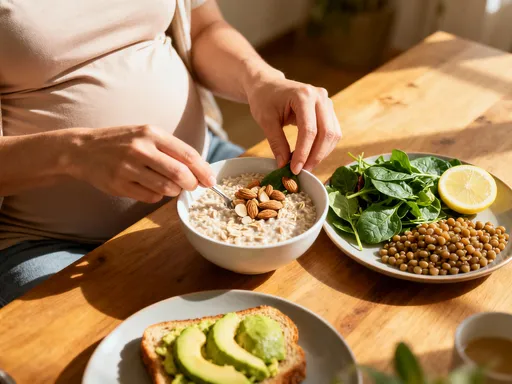
Supporting hair health through diet doesn’t require drastic changes. Focus on a balanced, whole-foods-based approach rich in lean proteins (like eggs, fish, and legumes), healthy fats (such as avocados, nuts, and olive oil), and a variety of colorful vegetables and fruits that provide antioxidants and essential nutrients. Biotin-rich foods like sweet potatoes, almonds, and whole grains can support keratin production, while leafy greens supply iron and folate. Omega-3 fatty acids, found in fatty fish and flaxseeds, help nourish the scalp and reduce inflammation. Drinking at least eight glasses of water daily supports overall cellular function, including hair follicle activity. While supplements are available, they should only be used under medical supervision after identifying a deficiency. A nutrient-dense diet combined with proper hydration creates the internal environment needed for strong, resilient hair.
Sleeping Habits That Harm Hair
How you sleep can silently affect your hair’s health. Most people rest their heads on cotton pillowcases, which are highly absorbent and create friction against the hair throughout the night. This constant rubbing can lead to tangles, frizz, and even breakage, especially for those with long or textured hair. Cotton also wicks away moisture from the hair, leaving it drier by morning. Over time, this nightly friction contributes to cumulative damage, weakening the cuticle and increasing vulnerability to split ends.
Switching to a silk or satin pillowcase can make a noticeable difference. These materials are much smoother and create less resistance, allowing hair to glide across the surface rather than snagging. As a result, there’s less mechanical stress on the strands, reducing breakage and preserving moisture. Silk pillowcases also help maintain hairstyles overnight, whether you’re air-drying curls or trying to keep a sleek blowout. While silk is often preferred for its softness and breathability, satin is a more affordable alternative that offers similar benefits.
In addition to changing pillowcases, adopting protective bedtime routines can further safeguard your hair. Loosely braiding or twisting hair before sleep minimizes tangling and keeps ends tucked away. Using a silk or satin bonnet or scarf provides even greater protection, especially for those with fragile or highly textured hair. These habits not only reduce physical damage but also help retain natural oils and moisture, supporting healthier, more manageable hair over time. Simple adjustments to your nighttime routine can yield long-term benefits without requiring extra time or effort during the day.
Overusing Styling Products and Chemicals
Styling products like gels, mousses, sprays, and serums are designed to enhance manageability, hold, and shine. However, frequent and excessive use can lead to product buildup on both the hair and scalp. This residue forms a coating that prevents moisture from penetrating the hair shaft, resulting in dullness and dryness. It can also clog hair follicles, potentially interfering with growth and causing scalp irritation or flaking. Many aerosol sprays contain alcohol, which can be particularly drying when used regularly, further compromising hair integrity.
Chemical treatments such as coloring, bleaching, perming, and relaxers involve altering the hair’s molecular structure to achieve desired results. While these services can be safe when done properly and infrequently, repeated exposure without adequate recovery time leads to significant damage. Bleaching, for example, removes natural pigment by opening the cuticle and breaking down melanin, but it also strips away lipids and proteins, weakening the hair. Over time, this can result in extreme porosity, where the hair absorbs too much moisture and swells, only to lose it quickly, leading to brittleness and breakage.
To minimize harm, it’s important to give your hair time to recover between chemical services—ideally waiting at least eight to ten weeks. Using protein treatments and deep conditioners can help restore strength and moisture. Additionally, incorporating a clarifying shampoo into your routine once every few weeks helps remove buildup and keeps the scalp clean. Opting for gentler formulations, such as ammonia-free dyes or semi-permanent colors, reduces exposure to harsh ingredients. When using styling products, apply them sparingly and focus on the mid-lengths and ends rather than the scalp. Regular cleansing and mindful product use ensure that your hair stays strong and healthy beneath the style.
Stress and Its Hidden Effect on Hair
Emotional and physical stress can have a profound, though often overlooked, impact on hair health. Chronic stress triggers a cascade of hormonal changes in the body, including elevated levels of cortisol, the primary stress hormone. High cortisol can disrupt the normal hair growth cycle, pushing more follicles into the resting phase (telogen) prematurely. This condition, known as telogen effluvium, typically results in noticeable shedding about two to three months after a stressful event, such as illness, surgery, or major life changes. While the hair usually regrows once stress is managed, the experience can be distressing and mistaken for permanent hair loss.
The connection between stress and hair goes beyond hormones. Stress often leads to poor sleep, reduced appetite, and neglect of self-care routines—all of which indirectly affect hair quality. For example, disrupted sleep impairs cellular repair and regeneration, including in hair follicles. Poor nutrition due to stress-related eating habits can lead to deficiencies in key nutrients essential for hair growth. Additionally, some individuals may develop trichotillomania, a condition characterized by compulsive hair pulling, as a response to anxiety.
Managing stress is therefore a critical component of maintaining healthy hair. Evidence-based strategies include regular physical activity, which helps regulate cortisol and improve circulation to the scalp. Mindfulness practices such as meditation, deep breathing, and yoga have been shown to reduce stress and support emotional balance. Prioritizing quality sleep—aiming for seven to nine hours per night—allows the body time to repair and renew. Building a consistent daily routine that includes time for relaxation, hobbies, and social connection can also buffer against the negative effects of stress. By addressing the root causes of emotional strain, you support not only your mental well-being but also the long-term vitality of your hair.
Healthy hair isn’t just about what you put on it—it’s about how you live. Small, consistent changes in daily habits can transform hair health without expensive treatments. By avoiding these common pitfalls and adopting a more mindful routine, lasting improvement is possible. Always consult a healthcare or dermatology professional for persistent concerns.