Hair Wins: My Real Talk on Stopping Shedding Fast
Hair loss hits different when you’re staring at clumps in the shower. I’ve been there—worried, Googling fixes, trying everything. Turns out, quick action isn’t just comforting, it’s crucial. This isn’t about magic cures, but smart, science-backed moves that protect your strands before more is lost. For many women, especially between the ages of 30 and 55, hair thinning sneaks in quietly, often mistaken for normal aging or stress. But the truth is, early intervention can make a significant difference. Understanding what’s really happening—and why—is the first step toward regaining control. This journey isn’t about vanity; it’s about health, confidence, and honoring the body’s signals before small issues become harder to reverse.
The Moment It Clicks: Recognizing Early Hair Loss
Many women first notice hair loss not through sudden bald spots, but through subtle, accumulating changes. You might find more strands than usual on your pillow in the morning, see widening at the part line, or realize your ponytail has lost its fullness. These are not just random occurrences—they are early warning signs. On average, a person sheds between 50 and 100 hairs per day as part of the natural hair growth cycle. However, when shedding consistently exceeds this range for several weeks, it may signal a deeper issue. The problem is that these signs are often dismissed as temporary, especially after events like illness, childbirth, or periods of high stress.
Why do so many overlook these signals? One reason is normalization. Society often frames hair thinning as an inevitable part of aging, particularly for women in their 40s and beyond. Another factor is the gradual nature of the change. Unlike sudden hair loss, slow thinning doesn’t trigger immediate alarm. Yet, this delay can cost valuable time. The hair growth cycle means that by the time visible thinning appears, the disruption may have started months earlier. Recognizing the difference between normal shedding and abnormal loss is essential. Increased shedding that lasts beyond two to three months, especially when accompanied by changes in texture or density, warrants attention.
Equally important is acknowledging the emotional impact. Hair is deeply tied to identity and self-image for many women. Noticing changes can lead to anxiety, self-consciousness, or even social withdrawal. Feelings of frustration or helplessness are common, especially when over-the-counter products fail to deliver results. These emotional responses are valid and deserve space. But rather than spiraling into worry, the focus should shift toward understanding and action. Early recognition is not about fear—it’s about empowerment. When you catch hair loss early, you’re not just preserving strands; you’re addressing potential health imbalances that may be showing up through your hair.
Why Hair Falls Out: Breaking Down the Real Causes
To effectively address hair loss, it’s vital to look beyond the surface. While shampoos and serums may offer temporary improvements, the root causes of shedding are often internal. Genetics play a well-documented role, particularly in female pattern hair loss, which typically presents as diffuse thinning across the scalp rather than receding hairlines. However, not all hair loss is hereditary. Hormonal shifts—such as those occurring after pregnancy, during perimenopause, or due to thyroid disorders—can significantly disrupt the hair cycle. For example, postpartum shedding, known as telogen effluvium, affects many women within a few months after childbirth, as hormone levels normalize and large numbers of hairs enter the resting phase simultaneously.
Nutritional deficiencies are another major contributor. Iron deficiency, even without full-blown anemia, has been consistently linked to hair shedding. Similarly, low levels of vitamin D, zinc, and protein can impair hair follicle function. These nutrients are essential for keratin production, the structural protein that makes up hair. When the body is deprived, it prioritizes vital organs over hair growth, leading to increased shedding. Stress—both physical and emotional—can also trigger telogen effluvium. Severe illness, surgery, rapid weight loss, or prolonged emotional strain can shock the system, pushing more hair follicles into the resting phase prematurely.
Scalp health, while often overlooked, is another critical factor. A clean, well-circulated scalp supports strong follicles. Conditions like seborrheic dermatitis or chronic inflammation can impair the environment where hair grows. However, treating the scalp without addressing internal causes is like watering a plant while ignoring poor soil quality. Most effective solutions require a dual approach: improving internal health while maintaining external care. This is why a one-size-fits-all remedy rarely works. Each case of hair loss is unique, influenced by a combination of genetics, lifestyle, diet, and overall health. Identifying the specific cause is not just helpful—it’s necessary. Without understanding the underlying trigger, interventions may be ineffective or even worsen the situation.
The Fast-Track Mindset: Why Speed Matters in Prevention
When it comes to hair loss, timing is everything. The earlier you respond to signs of shedding, the better your chances of minimizing damage and supporting recovery. Think of it like fixing a small leak in the roof—address it early, and you prevent water damage, mold, and structural harm. Wait too long, and the repair becomes far more complex. Hair follicles, though resilient, can weaken over time if the stressors causing shedding persist. The goal of early action is not to regrow hair overnight, but to stabilize the cycle and create conditions for healthy regrowth.
The hair growth cycle consists of three main phases: anagen (growth), catagen (transition), and telogen (resting). Normally, about 85–90% of hair is in the anagen phase at any given time. When a disruption occurs—due to stress, illness, or nutrient deficiency—more hairs than usual shift into the telogen phase, leading to increased shedding a few months later. This delay means that by the time you notice hair loss, the trigger may have already passed. However, acting quickly can help protect the remaining follicles and shorten the recovery timeline.
Consistency is more effective than intensity. Many people, upon noticing hair loss, dive into aggressive routines—multiple serums, daily scalp massages, expensive treatments—only to abandon them when results don’t appear immediately. But sustainable progress comes from steady, informed habits. The fast-track mindset isn’t about rushing; it’s about being proactive. It means paying attention to your body’s signals, seeking clarity through medical advice, and making thoughtful changes to diet and lifestyle. It also means avoiding the trap of waiting until hair loss becomes severe. Early intervention supports the follicle’s ability to re-enter the growth phase, making recovery more likely and more complete.
Daily Habits That Make a Difference—No Hype Needed
While internal factors drive most hair loss, external care plays a supporting role. Simple, everyday habits can reduce breakage, protect follicles, and create a healthier environment for growth. These practices don’t require expensive products or complicated routines. Instead, they focus on gentle treatment and prevention of avoidable damage. One of the most effective changes is adjusting how you handle wet hair. Wet strands are more elastic and prone to breakage. Using a wide-tooth comb instead of a brush, starting from the ends and working upward, minimizes stress on the hair shaft.
Hairstyles matter too. Tight ponytails, braids, or buns can lead to traction alopecia over time, especially if worn daily. This type of hair loss occurs when constant pulling damages the follicles, particularly along the hairline. Opting for looser styles or varying your part can reduce tension and prevent long-term thinning. Heat styling tools—flat irons, curling wands, blow dryers—also contribute to damage when used excessively. High temperatures weaken the hair’s protein structure, leading to dryness, split ends, and breakage. Limiting heat use, applying a heat protectant when necessary, and using tools on lower settings can make a noticeable difference over time.
Washing habits also influence scalp health. While some believe that washing less preserves natural oils, others over-wash in an attempt to reduce shedding. The key is balance. Using lukewarm water and a mild, sulfate-free shampoo helps maintain the scalp’s natural pH without stripping essential moisture. Over-washing can irritate the scalp, while under-washing may lead to buildup that clogs follicles. For most people, washing every two to three days is sufficient. Additionally, avoiding harsh chemical treatments—such as frequent coloring, bleaching, or perming—reduces structural damage and supports overall hair integrity.
These habits may seem minor, but their cumulative effect is significant. They don’t reverse genetic hair loss or correct nutrient deficiencies, but they create a foundation where other interventions can work more effectively. Healthy hair care is not about perfection—it’s about consistency and awareness. When combined with internal support, these daily choices help preserve existing hair and reduce preventable loss.
Fuel for Follicles: Nutrition as a Silent Game-Changer
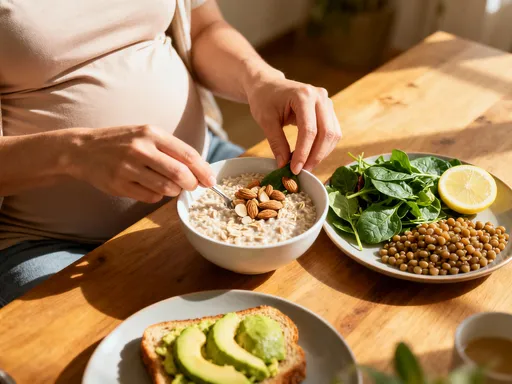
If hair is a reflection of health, then nutrition is one of its loudest voices. The body requires a steady supply of specific nutrients to produce strong, resilient hair. Protein is the building block—hair is made primarily of keratin, a type of protein. Without adequate intake, the body may slow hair production to conserve resources. This is why rapid weight loss or restrictive diets often lead to increased shedding. Including high-quality protein sources—such as eggs, poultry, legumes, and Greek yogurt—in daily meals supports continuous hair growth.
Other key nutrients play equally important roles. Iron helps red blood cells carry oxygen to hair follicles, and deficiency is a well-documented cause of hair loss, especially in premenopausal women. Good dietary sources include lean red meat, spinach, lentils, and fortified cereals. Vitamin D, often called the “sunshine vitamin,” influences hair follicle cycling. Low levels have been associated with alopecia and chronic shedding. While sunlight exposure helps, dietary sources like fatty fish, egg yolks, and fortified dairy can supplement intake. Zinc supports tissue repair and immune function, both of which are important for hair health. Oysters, pumpkin seeds, and chickpeas are excellent sources.
Biotin, though often marketed as a hair growth supplement, is most effective when there’s a deficiency. Most people get enough biotin from their diet—found in eggs, nuts, and whole grains—without needing extra pills. Omega-3 fatty acids, abundant in salmon, walnuts, and flaxseeds, help keep the scalp hydrated and reduce inflammation. Antioxidants from colorful fruits and vegetables—like berries, carrots, and kale—protect hair follicles from oxidative stress, which can accelerate aging and damage.
Equally important is what you don’t eat. Diets high in refined sugars and processed foods can lead to blood sugar swings, which may indirectly affect hair by increasing inflammation and disrupting hormone balance. Poor digestion can impair nutrient absorption, even if your diet seems balanced. Eating a variety of whole, minimally processed foods ensures a broad spectrum of nutrients and supports gut health, which in turn affects how well your body uses what you consume. Rather than focusing on isolated supplements, the emphasis should be on a nourishing, balanced diet that supports overall wellness—and by extension, healthier hair.
When to See a Pro: Navigating Medical Advice Without Fear
Despite best efforts, some cases of hair loss require professional evaluation. Self-diagnosis can lead to missteps—using the wrong treatment, delaying care, or unnecessarily worrying about a temporary issue. A dermatologist or healthcare provider can offer clarity through a thorough assessment. This may include a detailed medical history, a scalp examination, and blood tests to check for underlying conditions like thyroid disorders, iron deficiency, or hormonal imbalances. These steps are not invasive or alarming—they are tools for understanding.
Seeing a professional doesn’t mean you’ve failed at managing your health. On the contrary, it’s a proactive choice. Many women hesitate to seek help, fearing judgment or expensive treatments. But early consultation often leads to simpler, more effective solutions. For example, correcting a vitamin deficiency or adjusting a medication may be all that’s needed. In cases of genetic hair loss, treatments like minoxidil—when used under guidance—can help maintain density. Other options, such as low-level laser therapy or prescription medications, may be considered based on the diagnosis.
The goal of medical evaluation is personalization. What works for one person may not work for another. A healthcare provider tailors recommendations to your specific situation, reducing trial and error. They can also rule out conditions that mimic hair loss, such as scalp infections or autoimmune disorders. Seeking help early increases the likelihood of positive outcomes and can prevent progression. It’s not about fixing something broken—it’s about supporting your body with the right information and care.
Putting It All Together: A Clear Path Forward
Hair loss is not a single problem with a single solution. It’s a signal—one that invites attention, understanding, and action. The most effective approach combines awareness, lifestyle adjustments, proper nutrition, and professional guidance. Recognizing early signs allows for timely response. Understanding root causes prevents wasted effort on ineffective remedies. Daily habits protect existing hair from preventable damage. Nutrition fuels the body’s natural ability to grow strong strands. And medical support ensures that internal imbalances are addressed with accuracy and care.
This journey is not about chasing perfection or reversing every strand lost. It’s about building a foundation where hair can thrive. Progress may be gradual, but small, consistent steps lead to meaningful change. There is no magic cure, but there is power in knowledge and consistency. Each choice—to eat a nutrient-rich meal, to handle hair gently, to schedule a doctor’s visit—is a vote for long-term health.
For women navigating this experience, remember: you are not alone. Hair changes are common, and they do not diminish your worth. What matters is how you respond. By treating hair loss as a health issue rather than a cosmetic one, you reclaim agency. You shift from fear to focus, from confusion to clarity. And in doing so, you lay the groundwork not just for stronger hair, but for a stronger sense of well-being. The real win isn’t just in the mirror—it’s in the confidence that comes from taking care of yourself, one healthy choice at a time.