How I Tamed My Spending and Stopped Gambling With My Future
Ever feel like your money vanishes by mid-month? I did—until I realized I wasn’t just overspending, I was taking risks without even knowing it. What I thought was normal budgeting was actually a gamble with my financial stability. This is how I shifted from blind spending to smart risk-aware habits, found balance, and gained real control—no extreme cuts, just smarter choices. Let me walk you through what actually worked. It wasn’t about living without joy or never treating myself. It was about recognizing that every financial decision, no matter how small, carries consequences. When I began to see spending not just as consumption but as risk exposure, everything changed. I stopped reacting to money problems and started preventing them.
The Wake-Up Call: When My Budget Blew Up
There was a moment, sharp and unavoidable, when I could no longer ignore the truth about my finances. A water heater failed on a Thursday evening, and the repair cost—over $800—arrived like a gut punch. I had savings, or so I thought. But after covering the bill, my emergency fund was gone. Not low. Not temporarily drained. Empty. That’s when it hit me: my financial habits weren’t just inefficient; they were dangerous. I had been living with a false sense of security, believing that as long as I paid my bills on time and avoided credit card debt most months, I was doing fine. The reality was far different. I wasn’t managing risk—I was ignoring it.
This event wasn’t an outlier. It was a symptom of a deeper pattern. I had been treating money like a flow to be managed week to week, not a system to be protected over time. Every month, I would track a few expenses, skip a coffee here and there, and tell myself I was being responsible. But I never asked the critical questions: What happens if something goes wrong? Do I have buffers? Are my daily choices increasing my exposure to financial shocks? The answer, as the water heater made clear, was yes. I had no real margin for error. My budget wasn’t just tight—it was fragile. And fragility, in financial terms, is another word for risk.
What changed after that moment wasn’t just my behavior, but my mindset. I stopped seeing financial health as a matter of willpower or occasional frugality. Instead, I began to view it as a form of risk management. Just as a homeowner installs smoke detectors and carries insurance, I realized I needed systems to protect my income, savings, and future. That meant redefining what responsibility looked like—not just cutting costs, but reducing vulnerability. The $800 repair wasn’t the problem. The problem was that I had no plan for it. And that lack of preparation wasn’t an accident. It was the result of years of normalizing financial recklessness under the guise of being “busy” or “not a numbers person.” I was not alone in this. Millions of households operate the same way, believing stability is guaranteed as long as the paycheck keeps coming. But stability isn’t passive. It’s built.
Risk Isn’t Just for Investors—It’s in Your Daily Spending
When most people hear the word “risk,” they think of stock markets, volatile currencies, or high-stakes business decisions. But financial risk isn’t confined to Wall Street. It lives in the everyday choices we make about money—what we buy, how we pay for it, and whether we plan for the unexpected. Every time you charge a meal because your checking account is low, every time you delay setting up an emergency fund “until next month,” you are making a risk decision. You may not call it that, but the effect is the same: you are increasing your exposure to financial disruption.
I used to believe that risk was something other people dealt with—traders, entrepreneurs, people with large portfolios. But the truth is, risk is proportional to your financial resilience, not the size of your bank account. A $50 surprise expense can be catastrophic for someone living paycheck to paycheck, while a six-figure investor might not blink. For me, the real danger wasn’t in big bets—it was in the small, repeated behaviors that eroded my stability. Subscriptions I forgot to cancel, convenience purchases made when I was tired, and the habit of using credit cards for short-term cash flow gaps—all of these were forms of gambling. I was betting that nothing would go wrong. And for a while, nothing did. But luck isn’t a strategy.
Understanding this shifted my perspective completely. I began to see my budget not as a list of expenses, but as a risk map. Each category carried a different level of exposure. Housing and utilities were relatively stable—predictable and necessary. But discretionary spending, especially when funded by credit or last-minute shifts in cash flow, was highly volatile. The risk wasn’t just in the amount spent, but in the conditions under which it was spent. For example, ordering food delivery when I was too tired to cook wasn’t just a convenience. It was a signal of emotional fatigue, which often led to overspending. Over time, these moments compounded, creating a pattern of behavior that made me more vulnerable to larger shocks. Risk, I realized, wasn’t just about money. It was about behavior, timing, and preparedness.
Mapping My Spending Risks: A Reality Check
The first step toward control was visibility. I needed to see not just where my money was going, but how each expense contributed to my overall financial risk. I started by listing every expense over three months—not to judge myself, but to assess exposure. I categorized each item into one of three buckets: stable, manageable, and volatile. Stable expenses were fixed, predictable, and essential—rent, insurance, internet. These carried low risk because they were planned for and consistent. Manageable expenses were variable but controllable—groceries, gas, medical co-pays. These required attention, but with proper planning, they didn’t threaten stability.
Then came the volatile category—the real eye-opener. These were expenses that were unpredictable, emotionally driven, or funded by borrowing. Weekend trips paid for with credit cards, impulse purchases during online sales, last-minute gifts bought in panic—these weren’t just “fun” spending. They were high-risk behaviors because they disrupted cash flow and often left me scrambling. What surprised me most was that the biggest dollar amounts weren’t always the most dangerous. A $200 vacation might seem large, but if paid for in cash and planned months ahead, it carried less risk than a $50 takeout order that pushed my card to its limit during a low-cash week.
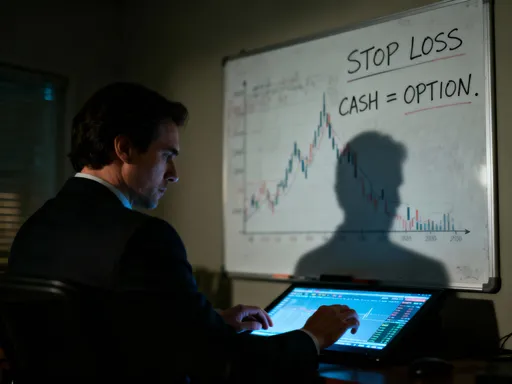
This exercise revealed patterns I had ignored for years. I noticed that my volatile spending spiked during stressful periods—work deadlines, family obligations, or even lack of sleep. I also saw how certain payment methods increased risk. Using credit cards for small, frequent purchases made it easier to lose track of totals, while cash or debit transactions created a stronger sense of accountability. By mapping my spending this way, I wasn’t just cutting costs—I was reducing exposure. I began to treat each purchase as a potential risk trigger. Instead of asking, “Do I want this?” I started asking, “Can I absorb the impact if something goes wrong?” That simple shift in thinking transformed my relationship with money.
Building a Safer Spending Framework
Once I understood my risk profile, I needed a system to manage it—one that didn’t rely on willpower or extreme deprivation. I built a flexible framework focused on reducing exposure, not eliminating spending. The goal wasn’t austerity. It was resilience. I started by setting personal risk thresholds for different categories. For example, I decided that no more than 15% of my monthly income would go toward discretionary spending that wasn’t pre-funded. If I wanted to go out to dinner, that was fine—as long as the money was already set aside. This wasn’t a budget rule. It was a safety boundary.
I also introduced a “cool-down” rule for any purchase over a certain amount—$75, in my case. If I wanted to buy something above that threshold, I had to wait 48 hours. This wasn’t about denying myself. It was about creating space between impulse and action. Over time, I found that many of the things I thought I needed immediately lost their urgency after a day or two. The delay allowed me to assess not just the cost, but the risk: Would this purchase strain my cash flow? Could I afford to replace it if it broke? Was I buying it to cope with stress? These questions didn’t eliminate spending—they made it more intentional.
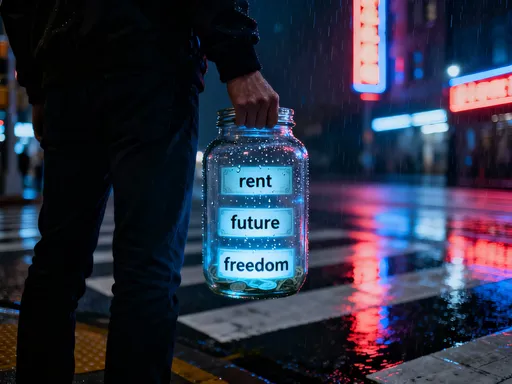
Another key part of the framework was building in buffers. Instead of waiting until I had a crisis to save, I started allocating small amounts regularly to a “risk reserve” fund—separate from my emergency savings. This fund covered minor but disruptive expenses: a parking ticket, a forgotten birthday gift, a last-minute travel fee. Knowing I had this cushion reduced the temptation to use credit for small gaps. The system wasn’t perfect, but it was structured. It gave me freedom within limits. I could still enjoy life, but without gambling my financial stability. Over time, this approach reduced stress, improved sleep, and made me feel more in control—not because I was spending less, but because I was spending smarter.
Tools That Actually Help Track and Reduce Risk
Tracking spending is only useful if it reveals insight, not just data. I tried several tools—budgeting apps, spreadsheets, cash envelopes—each with different strengths. What I discovered was that the best tools didn’t just show me where my money went. They helped me see the patterns behind it. One app, in particular, offered visual trend reports that highlighted high-frequency small purchases—like daily coffee runs or frequent online orders. Seeing these habits in a monthly graph made their cumulative impact undeniable. More importantly, some tools allowed me to tag transactions by mood or context. I started labeling purchases as “tired,” “stressed,” or “celebrating.” Over time, a clear pattern emerged: my spending spiked when I was emotionally drained.
This wasn’t just interesting—it was actionable. I began to recognize that certain behaviors were red flags for increased financial risk. For example, ordering delivery three nights in a row wasn’t just about convenience. It was a sign that I was overwhelmed and more likely to make other impulsive decisions. The app’s alerts helped me catch these moments early. Instead of waiting for a bank overdraft, I received a notification that my discretionary spending was 30% above average for the week. That wasn’t a punishment. It was a warning signal, like a check-engine light for my finances.
I also used tools to simulate financial shocks. Some apps allow you to run “what-if” scenarios—what if my income drops by 20%? What if I have a $1,000 unexpected expense? Running these tests helped me see how resilient my budget really was. In one case, I discovered that losing even one freelance client would put me behind on two bills. That wasn’t a reason to panic. It was a reason to adjust. I started diversifying my income streams and building a larger buffer. The right tools didn’t automate discipline. They provided clarity. And clarity is the foundation of control.
Why “Normal” Spending Habits Can Be Dangerous
We’re surrounded by messages that normalize financial fragility. “Treat yourself” is a marketing slogan, not a financial strategy. “Living paycheck to paycheck” is often joked about, as if it’s an inevitable part of adult life. I used to believe these things too. I thought I was fine as long as I wasn’t in debt—until I realized that not being in debt doesn’t mean you’re safe. Financial risk isn’t just about owing money. It’s about lacking options. It’s about having no room to breathe when life changes.
One of the most dangerous assumptions I held was that credit was a form of income. I wasn’t maxing out my cards, but I was using them to smooth over cash flow gaps—buying groceries when my account was low, paying for gas when I was waiting on a payment. This felt harmless. But it was creating a dependency. I was treating borrowed money as if it were mine, which increased my exposure every time I spent it. When an unexpected expense came, I had no buffer because my credit was already in use. I wasn’t living within my means. I was living beyond them, one small transaction at a time.
Another normalized habit was the idea that emergency savings could wait. “I’ll start next year,” I told myself. “Once things settle down.” But things never settle down. Life is constant change. And without savings, every change becomes a crisis. I finally understood that building resilience isn’t something you do after you’ve “caught up.” It’s something you do while you’re still catching up. Delaying it only increases the risk. These habits—common, accepted, even celebrated—are not neutral. They are slow leaks in the hull of your financial ship. You might not notice them today, but over time, they can sink you.
From Risk to Resilience: How Control Changed Everything
The shift didn’t happen overnight. It took months of tracking, adjusting, and reflecting. But gradually, my relationship with money transformed. I stopped asking, “Can I afford this?” and started asking, “What does this cost me if things go wrong?” That one question changed everything. It moved me from reactive spending to proactive protection. I began to see every dollar not just as a purchase, but as a choice about my future stability.
Savings grew, not because I deprived myself, but because I stopped leaking money through avoidable risks. I still went out to dinner, bought new clothes, and took trips. But now, these expenses were planned, funded, and stress-free. The real payoff wasn’t just the number in my bank account. It was the peace of mind. I no longer lay awake wondering how I’d cover a surprise bill. I had systems in place. I had buffers. I had control.
More than that, I developed financial confidence. I wasn’t afraid of change. If I wanted to switch jobs, take a break, or support a family member, I knew I had the flexibility to do so. That sense of freedom was more valuable than any single purchase. I had stopped gambling with my future. Instead, I was building it—deliberately, consistently, and with clarity. The habits that once seemed restrictive now felt like liberation. Because true freedom isn’t spending without limits. It’s knowing you can handle whatever comes next.
True financial control isn’t about cutting out joy—it’s about reducing blind spots and building a life that can handle surprises. By treating everyday spending as part of a broader risk strategy, I didn’t just save money; I gained freedom. You don’t need perfect discipline or extreme budgets. You need awareness, structure, and a willingness to question habits. When you stop gambling with your cash flow, you start building something lasting—security, choice, and real financial confidence.