How I Stopped Living Paycheck to Paycheck — My Real Asset Move
For years, I watched my money vanish each month—rent, bills, unexpected costs. No matter how much I earned, I stayed stuck. Then I shifted my mindset: instead of chasing income, I focused on flow. By reorganizing how I allocate every dollar, I built a system that works even when I’m not working. This isn’t about cutting lattes; it’s about smarter money design. Here’s what actually changed my financial reality.
The Cash Flow Trap Most People Don’t See
Many believe more income solves money stress—but I learned the real issue isn’t earnings, it’s outflow. I lived through high-paying months and still overdrafted because I treated cash like water in a leaky bucket. No matter how much I poured in, it drained away without a clear destination. The root of my financial instability wasn’t low pay or bad luck—it was a lack of intentional structure. I was reacting to expenses as they came, not planning for them in advance. This reactive cycle created constant anxiety, even when my paycheck increased. I would earn more, spend more, and feel no better. The turning point came when I realized that income alone doesn’t guarantee financial stability. What truly matters is the system behind every dollar—how it’s directed, protected, and allowed to grow. Without a plan, money behaves like a wild current, carrying away security and peace of mind. I began to see that financial health isn’t about how much you make, but how you manage what you already have. This shift in perspective moved me from survival mode to strategic thinking. I stopped blaming myself for overspending and started designing a system that made responsible choices automatic and sustainable.
Understanding cash flow as a design challenge changed everything. I began tracking every expense, not to shame myself, but to identify patterns. I discovered that recurring bills weren’t the main problem—impulse decisions and undefined spending categories were. I had no clear boundaries for discretionary spending, so small leaks became floods. A coffee here, an online purchase there, a last-minute dinner out—each seemed harmless, but together they eroded my balance. I also realized I lacked a buffer for irregular expenses like car maintenance or medical co-pays, which meant every surprise became a crisis. Instead of building wealth, I was constantly firefighting. Once I mapped out my monthly outflows, I could see where the leaks were and how to plug them. I didn’t need a raise—I needed a redesign. This clarity allowed me to stop measuring financial success by income and start measuring it by control. Control over spending, control over saving, and control over my emotional relationship with money. The goal was no longer to earn more, but to waste less and direct more with purpose.
Why Asset Allocation Isn’t Just for the Wealthy
I once thought asset allocation was a term reserved for Wall Street investors with six-figure portfolios. I imagined men in suits analyzing stock charts and rebalancing complex portfolios. But I discovered that asset allocation, at its core, is simply the practice of dividing resources into purposeful categories based on function. It’s not about sophistication or large sums—it’s about intentionality. For everyday people, especially those managing tight budgets, this principle is even more critical. When money is limited, every dollar must work efficiently. I began to see that my real assets weren’t just cash—they included my time, energy, and attention. How I allocated those resources determined my financial trajectory just as much as how I spent money.
I redefined asset allocation for my reality: survival, growth, and protection. Survival covered essentials—housing, food, utilities, and transportation. Growth included investments in my future, whether through retirement accounts, skill-building, or passive income streams. Protection meant emergency savings, insurance, and safeguards against unexpected setbacks. Once I categorized my resources this way, I stopped making financial decisions based on impulse or emotion. I asked myself: does this purchase support survival, growth, or protection? If it didn’t fit, it wasn’t a priority. This framework gave me clarity and reduced decision fatigue. I no longer felt guilty for saving—I saw it as an investment in my long-term security. Even with a modest income, I could allocate small amounts to each category and make progress. The key wasn’t the size of the allocation but the consistency and clarity behind it. Over time, I built a balanced financial ecosystem where each part supported the others. I stopped viewing saving as deprivation and started seeing it as a form of self-respect. By treating every dollar as an asset with a job to do, I transformed my relationship with money from one of scarcity to one of stewardship.
The 3 Buckets That Transformed My Money Flow
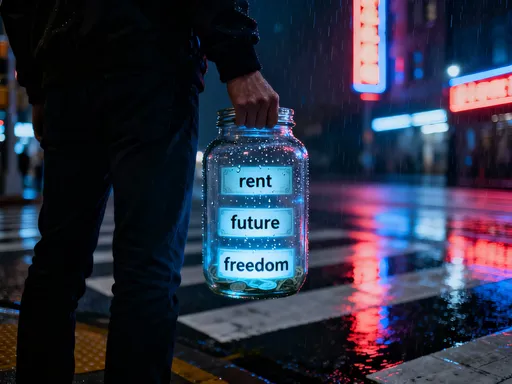
I replaced traditional budgeting with a simple three-bucket system: Essentials, Future You, and Freedom Fund. This method eliminated the complexity and guilt of rigid budgeting while ensuring every dollar had a purpose. Essentials covered non-negotiable expenses—rent, groceries, insurance, and utilities. This bucket was sacred; I never dipped into other funds to cover it. Future You received automatic contributions to retirement accounts, investment platforms, or long-term savings. This was my promise to my older self, ensuring that today’s effort would yield tomorrow’s security. The Freedom Fund was my safety net for unexpected costs—car repairs, medical bills, or short-term goals like a family visit. This bucket prevented me from going into debt when life threw curveballs.
Every paycheck, I allocated funds to each bucket before spending a single dollar. This front-loaded decision-making removed temptation and emotional interference. I determined the percentages based on my income and goals—typically 50% to Essentials, 20% to Future You, and 30% to the Freedom Fund, though I adjusted as needed. The beauty of this system was its predictability. I knew exactly where my money was going, and I stopped feeling anxious about running out. Even during months with irregular income, the system held. I simply scaled the amounts, not the structure. This consistency built trust in my financial plan. I no longer feared surprise expenses because I had already accounted for them. The Freedom Fund, in particular, changed my mindset. Instead of viewing emergencies as disasters, I saw them as normal events with pre-funded solutions. This reduced stress and eliminated the shame of financial setbacks. Over time, the Future You bucket grew, giving me a tangible sense of progress. I wasn’t just surviving—I was building something lasting. The three-bucket system turned money management from a source of stress into a source of empowerment.
Automating Discipline: How I Made My System Foolproof
Willpower is unreliable. I learned this the hard way after blowing my entire plan during a “treat yourself” weekend. I had done well all month, then one spontaneous trip to the mall wiped out my progress. That moment taught me that motivation fades, but systems endure. I needed a way to make good decisions automatic, not dependent on daily willpower. So I automated everything. On the same day I got paid, I set up recurring transfers that split my income across the three buckets. The money moved before I could touch it. I used my bank’s built-in rules to direct funds to separate accounts—no extra effort required. I also set up app alerts to notify me when transfers were complete, reinforcing the habit visually.
Technology became my silent partner in financial discipline. I stopped relying on memory or mood and built a passive defense against poor choices. I also linked my investment platform to auto-deposit a fixed amount into my Future You account each payday. Even if the amount was small—$50 or $100—it was consistent. Over time, those small, automatic contributions compounded into meaningful growth. I removed the need to decide when or how much to save. The decision was made once, at the system level, and then executed without fail. This shift from effort to ease was transformative. I no longer felt like I was struggling to stay on track—I was simply following a well-designed path. Automation also reduced mental load. I didn’t have to calculate percentages or track spreadsheets daily. The system handled it. This freed up emotional energy for other areas of life. I stopped feeling guilty about money and started feeling confident. The most powerful part of automation was that it worked even when I wasn’t paying attention. Life got busy, emotions ran high, but the system kept running. That consistency built momentum and trust. I wasn’t perfect—but my system was reliable. And that made all the difference.
Balancing Risk Without Overthinking It
I used to fear risk so much that I avoided investing entirely. I kept all my savings in a basic checking account, believing that safety meant zero movement. But I eventually realized that true risk isn’t in investing—it’s in doing nothing. Inflation erodes purchasing power, and cash loses value over time. By avoiding risk, I was actually exposing myself to a different, quieter danger: financial stagnation. I decided to take small, measured steps. I started by allocating a small portion of my Future You fund to low-cost index funds—broad-market ETFs that offered diversification without complexity. I didn’t try to pick stocks or time the market. I simply set up automatic purchases and let time do the work.
Diversification, I learned, wasn’t about building a complex portfolio. It was about spreading my money across different types of assets to reduce vulnerability. I kept a portion in cash for liquidity, some in index funds for growth, and a bit in stable, low-risk instruments for balance. This layered approach gave me peace of mind. I wasn’t putting all my eggs in one basket, but I wasn’t paralyzed by analysis either. I accepted that markets fluctuate, but history shows they tend to rise over the long term. My goal wasn’t to get rich quickly—it was to grow steadily and safely. I also kept my emergency fund separate from my investments, so I wouldn’t be forced to sell during a downturn. This separation allowed me to stay calm during market swings. I stopped checking my balance daily and focused on consistency. Over time, my confidence grew—not from high returns, but from knowing I had a balanced, resilient strategy. I learned that risk management isn’t about elimination; it’s about intelligent exposure. By taking small, informed steps, I built a portfolio that aligned with my comfort level and long-term goals.
When Life Interrupts: Keeping the System Alive
Life doesn’t follow a financial plan. I faced job loss, medical bills, and car repairs—each a potential derailment. But because I had a Freedom Fund, I didn’t raid my retirement savings or go into credit card debt. I used the fund to cover essentials while I stabilized. I also adjusted my bucket percentages temporarily—reducing Future You contributions and focusing on Essentials. This wasn’t failure; it was flexibility. The system wasn’t rigid. It was designed to adapt. I paused growth investments, not permanently, but until my income recovered. This prevented long-term damage and kept me from abandoning the plan altogether.
The key was maintaining the structure while adjusting the amounts. I didn’t stop saving—I scaled back. I didn’t abandon investing—I paused. This adaptability kept me from falling back into panic and impulsive decisions. I also used the downtime to review my insurance coverage and strengthen my safety nets. I learned that resilience isn’t about avoiding problems—it’s about having a plan that survives them. Each crisis became a test of my system, and each time, the system held. That built deep confidence. I no longer feared the unexpected—I expected it and was prepared. I also reached out for support when needed, whether through family, community resources, or financial counseling. I stopped viewing help as weakness and saw it as part of responsible planning. By combining structure with flexibility, I created a financial life that could weather storms. The system didn’t promise perfection—it promised endurance. And that was exactly what I needed.
Building Wealth Is a Slow Game—Here’s Why It’s Worth It
Progress wasn’t overnight. At first, small allocations to my Future You bucket felt meaningless. $50 a month wouldn’t change my life, I thought. But I kept going. I focused on consistency, not size. Over time, those small amounts grew—not just in value, but in impact. I began to see money as a tool, not a source of stress. My cash flow became predictable. My risks became manageable. My future became clearer. I wasn’t chasing get-rich-quick dreams. I was building something real: control. And that, I’ve learned, is the foundation of financial freedom.
Compound growth worked silently in the background. My automated investments gained value. My Freedom Fund absorbed shocks. My confidence grew with every paycheck that flowed smoothly through the system. I stopped living in fear of the next bill and started looking forward to the next milestone. I paid off debt. I built savings. I gained choices. That sense of agency was priceless. I could say no to bad jobs. I could support my family without panic. I could plan for the future with hope, not dread. This approach didn’t make me wealthy in the traditional sense, but it gave me something more valuable: peace of mind. I learned that wealth isn’t just about money—it’s about stability, security, and the freedom to live with intention. The slow, steady path isn’t glamorous, but it’s sustainable. It’s reliable. It’s real. And for anyone tired of living paycheck to paycheck, it’s not just possible—it’s within reach. The first step isn’t earning more. It’s designing better. Because when your money has a plan, you have a future.