How I Tamed My Spending and Found Calm in My Finances
Ever feel like your money disappears by mid-month? I did too—until I started paying attention. As a beginner, I thought budgeting was boring and restrictive. But what if it’s not about cutting lattes, but building a life with less stress? This is my journey from overspending to finding stability, not through extreme cuts, but through smart, simple choices that actually stick. It wasn’t a sudden windfall or a promotion that changed my financial life. It was awareness. The moment I stopped blaming my income and started understanding my habits, everything shifted. What followed wasn’t a rigid diet of denial, but a sustainable path toward confidence, control, and peace of mind—one thoughtful decision at a time.
The Wake-Up Call: When My Bank Balance Felt Like a Mystery
There was a time when checking my bank account felt like opening a mystery box. Each month, I’d log in with a knot in my stomach, bracing for the unknown. I wasn’t living extravagantly—no designer clothes, luxury cars, or overseas trips. Yet, by the third week, my balance would hover near zero, and I couldn’t explain why. I earned a steady income, paid my rent on time, and didn’t consider myself careless. But without clarity, every dollar seemed to vanish into thin air. I’d tell myself I’d ‘figure it out next month,’ but the cycle repeated, month after month. That sense of confusion wasn’t just frustrating—it was emotionally exhausting. I began to feel powerless, as if my finances were controlling me instead of the other way around.
The turning point came on an ordinary Tuesday. I needed to pay a small medical bill, only to find my account overdrawn. That moment forced me to confront the truth: I wasn’t broke because I didn’t earn enough. I was broke because I wasn’t paying attention. The real issue wasn’t income—it was awareness. Without tracking where my money went, I had no control. I realized I was reacting to expenses instead of planning for them. This lack of intentionality created what financial experts call ‘financial drift’—a slow, invisible slide into instability caused by unexamined habits. It’s not dramatic, but it’s dangerous. Like a slow leak in a tire, it goes unnoticed until the whole system fails.
Recognizing this pattern was the first real step toward change. I began to understand that financial health isn’t about sudden transformations or extreme measures. It starts with honesty. Admitting I didn’t know where my money went wasn’t a failure—it was an invitation to learn. From that moment, I shifted my mindset from avoidance to curiosity. Instead of asking, ‘Why don’t I have more?,’ I started asking, ‘Where is it going?’ That simple shift in perspective laid the foundation for everything that followed. Control didn’t come from earning more or cutting everything out—it came from seeing clearly.
Mapping My Money: Building a Realistic Spending Picture
Once I acknowledged the problem, I knew I needed data. I couldn’t fix what I couldn’t see. So I made a commitment: for 30 days, I would track every single expense, no matter how small. I didn’t try to change my behavior yet—just observe it. I used a simple budgeting app that synced with my bank account, automatically logging transactions. At first, I felt awkward, even a little obsessive. Was I really going to record every $1.50 spent on gum? But I stuck with it, reminding myself that clarity required consistency.
What I discovered after four weeks was both surprising and revealing. The big-ticket items—rent, utilities, insurance—were predictable and accounted for about 60% of my spending. The real shock came from the other 40%. Tiny, repeated purchases were quietly draining my account. I spent $120 a month on coffee and snacks from convenience stores. I had three subscriptions I didn’t use—two streaming services and a fitness app I opened once. I averaged five ‘impulse buys’ a week: a book here, a candle there, a small kitchen gadget online. Individually, each was under $10. Collectively, they totaled over $300 a month—money that could have gone toward savings, debt reduction, or a meaningful experience.
This exercise taught me the power of visibility. Without tracking, these expenses were invisible, like background noise. But when laid out in black and white, they became impossible to ignore. I began categorizing my spending: housing, transportation, groceries, personal care, entertainment, dining out, and miscellaneous. Seeing the breakdown helped me identify what I valued and what I could adjust. For example, I realized I genuinely enjoyed cooking, so I wanted to spend on groceries—but I didn’t care much about eating out, so that category became a natural place to reduce. The goal wasn’t to eliminate all small pleasures, but to make them intentional.
Creating this spending map didn’t require financial expertise. It required honesty and patience. I learned that budgeting isn’t about restriction—it’s about awareness. When you see where your money goes, you gain the power to redirect it. This step wasn’t about judgment; it was about insight. And that insight became the blueprint for the next phase: building a system that worked with my life, not against it.
From Tracking to Taking Control: Designing a System That Works
Tracking my spending gave me clarity, but I still struggled with consistency. I’d do well for a week, then forget to log transactions. I’d stick to my grocery budget, then overspend on clothes. I needed a system—something sustainable, flexible, and easy to maintain. My first attempt was a rigid monthly budget: I set strict limits for each category and felt guilty every time I exceeded them. Predictably, it failed. Life isn’t static. Some months I needed new shoes. Others, my electric bill spiked. A one-size-fits-all budget didn’t reflect reality.
That’s when I discovered a better approach: the envelope method, reimagined for the digital age. Instead of physical envelopes, I used separate bank accounts and digital labels to allocate funds. I opened two additional checking accounts—one for bills and one for discretionary spending. Each payday, I transferred money into these accounts based on my priorities. My main account held only what I needed for immediate expenses. This created clear boundaries without constant decision-making. For example, I allocated $300 a month for dining and entertainment. Once that account was empty, I stopped spending in that category—no guilt, no bargaining. It wasn’t about punishment; it was about honoring my plan.
This system worked because it matched my psychology. I’m not great at saying ‘no’ in the moment, but I’m good at setting rules in advance. By deciding how much to spend before the month began, I removed emotion from daily choices. I also built in flexibility. If I had leftover funds in one category, I could transfer them to another. If an irregular expense came up—like car maintenance—I had a small buffer. The key was consistency, not perfection. Some months I overspent in one area and adjusted the next. That was okay. What mattered was staying engaged and learning from each cycle.
This method also reduced decision fatigue. Instead of asking, ‘Can I afford this?,’ I asked, ‘Is this in my plan?’ That subtle shift made managing money feel less like a chore and more like a tool for empowerment. Over time, the system became automatic. I no longer felt anxious about spending—I felt in control. And that sense of control began to extend beyond finances into other areas of my life.
Stability Over Spectacle: Why Predictable Returns Beat Quick Wins
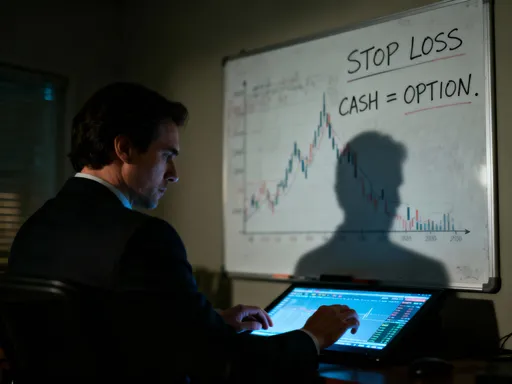
In the early days of my financial journey, I was drawn to stories of quick wins—people doubling their money in months, hitting windfalls, or discovering ‘secret’ investments. I opened a brokerage account and tried trading individual stocks, chasing short-term gains. At first, it felt exciting. I made a few small profits and believed I was getting the hang of it. But then the market dipped, and I lost more than I was comfortable with. The stress was immediate and intense. I found myself checking prices multiple times a day, second-guessing decisions, and feeling anxious about things I couldn’t control. That’s when I realized: I didn’t want excitement. I wanted peace.
I shifted my focus from high-risk speculation to **return stability**. Instead of trying to beat the market, I aimed to stay in it—consistently and calmly. I moved most of my investments into low-cost, diversified index funds. These funds track broad market performance, spreading risk across hundreds or thousands of companies. Historically, they’ve delivered average annual returns of 7% to 10% over the long term—not flashy, but reliable. I accepted that I wouldn’t get rich overnight, but I also wouldn’t face sleepless nights over sudden losses.
I also prioritized building an emergency fund—three to six months’ worth of essential expenses in a high-yield savings account. This wasn’t an investment meant to grow wealth, but a foundation meant to protect it. Knowing I had a cushion reduced my fear of unexpected costs. If my car broke down or I had a medical bill, I didn’t need to panic or go into debt. That sense of security allowed me to make calmer, more rational financial decisions.
This approach taught me that wealth isn’t built through dramatic moves, but through consistent, disciplined choices. Volatility might look impressive in headlines, but stability builds real financial health. For someone like me—a busy adult managing a household, possibly caring for children or aging parents—predictability is more valuable than performance. I no longer measure success by how fast my portfolio grows, but by how steady and stress-free the journey feels. That shift in mindset has been more powerful than any single investment decision.
The Hidden Power of Small Wins: How Tiny Changes Add Up
I used to believe that real change required big sacrifices—cutting out all dining out, selling my car, or living on a strict $50 weekly grocery budget. But those extremes never lasted. The breakthrough came when I stopped aiming for perfection and started focusing on small, sustainable actions. I canceled one subscription I didn’t use—saving $12 a month. I committed to cooking three extra meals at home each week—saving about $50. I started using the ‘24-hour rule’ for non-essential purchases: if I wanted something, I waited a day. Most of the time, the urge passed.
Individually, these changes felt insignificant. But over time, they compounded. The $12 saved became $144 a year. The $50 from cooking more became $2,600 annually. The impulse buys I avoided freed up hundreds more. Within six months, I had redirected over $4,000 toward savings and debt repayment—without feeling deprived. More importantly, I built confidence. Each small win reinforced the belief that I could make smart choices. That momentum made it easier to keep going.
These micro-habits also reshaped my relationship with money. Instead of seeing it as a source of stress, I began to see it as a tool I could shape. I started noticing progress: my emergency fund grew, my credit card balance shrank, and I felt less anxious about bills. These weren’t overnight miracles—they were the result of showing up consistently. I learned that financial wellness isn’t about drastic overhauls. It’s about daily discipline, repeated over time. And the most powerful changes are often the ones that go unnoticed at first.
This principle applies to everyone, regardless of income level. You don’t need a six-figure salary to benefit from small, intentional choices. In fact, the earlier you start, the more impact they have. A $5 daily saving might seem trivial, but over 30 years, with modest investment growth, it could become tens of thousands of dollars. The math is simple, but the psychology is profound. Small wins build belief. Belief fuels consistency. And consistency creates transformation.
Avoiding the Traps: Common Beginner Mistakes and How to Dodge Them
My journey wasn’t without missteps. I made plenty of mistakes, and each one taught me something valuable. One of the earliest was creating an overly restrictive budget. I set aggressive limits on groceries, entertainment, and personal spending, thinking I needed to ‘fix’ everything at once. Within two weeks, I felt deprived and gave up. I learned that sustainability matters more than strictness. A budget that doesn’t account for real life—occasional treats, unexpected costs, or changing priorities—is doomed to fail.
Another trap was emotional spending disguised as budgeting. I’d feel guilty for buying something small, then ‘reward’ myself with something bigger, undoing my progress. I also underestimated irregular expenses—like annual insurance premiums or holiday gifts—forgetting to save for them monthly. When these bills arrived, I was caught off guard and had to dip into savings. Now, I break down annual costs into monthly amounts and set aside that money automatically.
I also relied too much on willpower at first. I thought if I just ‘tried harder,’ I’d stick to my plan. But willpower is finite. Systems are stronger. That’s why I shifted from relying on discipline to building processes—like automatic transfers, categorized accounts, and spending alerts. These tools reduced the need for constant self-control and made good habits easier to maintain.
The biggest lesson? Progress isn’t linear. There will be months when you overspend, forget to track, or face unexpected costs. That doesn’t mean you’ve failed. It means you’re human. The key is to respond with kindness, not shame. Review what happened, adjust your plan, and keep going. Financial health isn’t about perfection—it’s about persistence.
Building a Foundation, Not a Fix: Making Stability Stick for Good
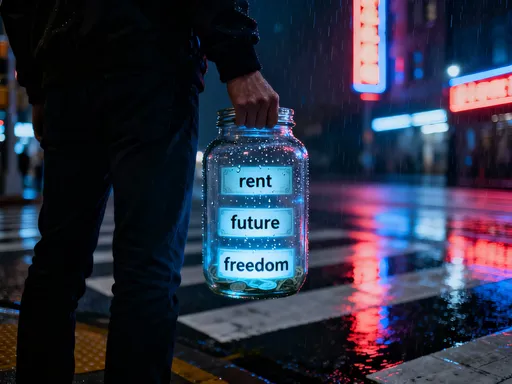
Today, managing my money doesn’t feel like a burden. It feels like freedom. I no longer dread opening my bank app. I don’t lie awake worrying about bills. I have a clear picture of where my money goes and confidence in where it’s going. This didn’t happen overnight, and it wasn’t the result of a single action. It came from small, consistent choices—tracking, adjusting, learning, and repeating. The goal was never to eliminate spending, but to align it with my values and goals.
What I’ve built is not a temporary fix, but a lasting foundation. I have systems that work for my lifestyle. I save automatically. I invest with calm intention. I spend with awareness. When life changes—a new job, a move, a family shift—I can adapt my plan without starting over. That flexibility is what makes it sustainable.
Most importantly, I’ve gained peace of mind. Financial stability isn’t about having a certain amount in the bank. It’s about knowing you can handle what comes. It’s the ability to make choices without panic, to plan for the future without fear, and to enjoy the present without guilt. That sense of calm is the real reward.
If you’re feeling overwhelmed by your finances, know this: you don’t need to do everything at once. Start small. Track your spending for a month. Cancel one unused subscription. Build a simple system. Celebrate small wins. Over time, these steps add up to something powerful—not just in your bank account, but in your daily life. Financial control isn’t about sacrifice. It’s about creating a life with less stress and more freedom. And that’s a goal worth working toward, one thoughtful decision at a time.